
Designing a Home with Intention: The Art of Choosing Pieces That Last
We live in a time of endless inspiration. Every day, our social media feeds introduce us to beautifully styled interiors, perfectly curated homes, and the latest furniture collections. Trends emerge almost overnight, encouraging us to refresh, replace, and reinvent our spaces more often than ever before.
While inspiration is invaluable, it can also become overwhelming. When every week introduces a new aesthetic, it's easy to forget a simple truth: the most beautiful homes are rarely created by following trends. Instead, they are built slowly, intentionally, and with a clear understanding of the people who live within them. At Studio Bisson, we often tell our clients that designing a home isn't about buying more—it's about choosing better.
A Home Is Not Designed in a Weekend
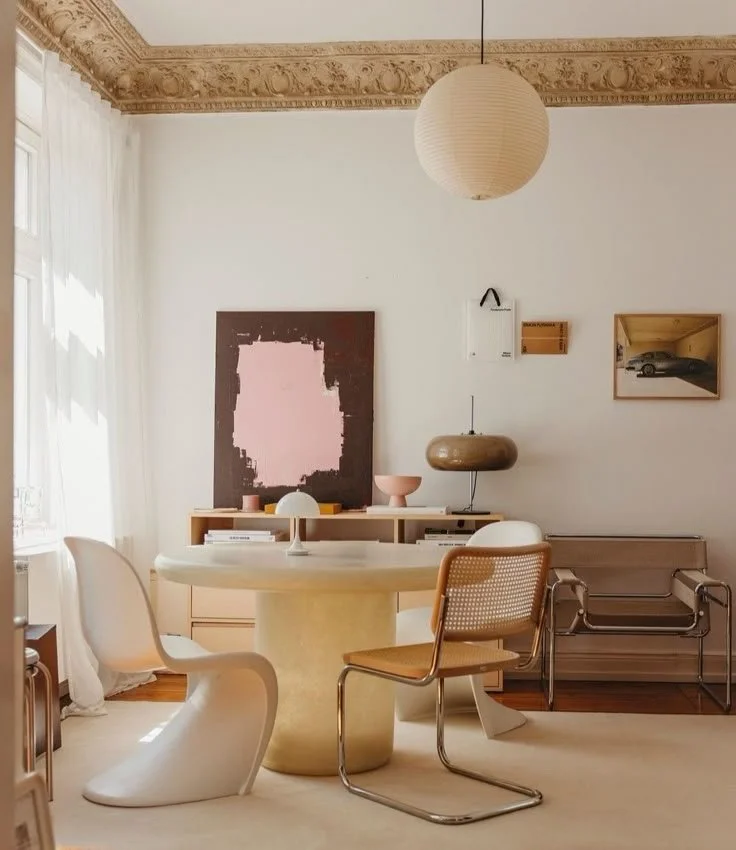
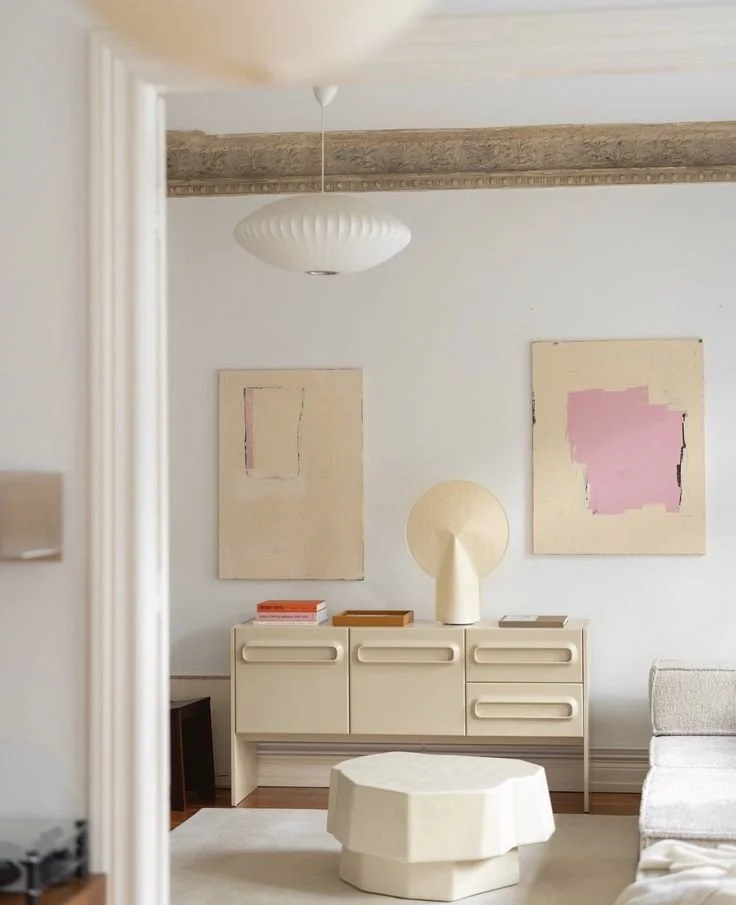
One of the biggest misconceptions about interior design is that a home should feel "finished" immediately. In reality, the most memorable interiors evolve over time. Think of the homes that leave a lasting impression. They rarely feel like a showroom. Instead, they feel collected rather than decorated. A dining table discovered during travels. Artwork commissioned from a local artist.
A chair inherited from a family member. Ceramics collected over many years. These pieces tell a story because they weren't chosen all at once. They earned their place. Luxury is not measured by how quickly a room is completed.
Sometimes, the greatest luxury is allowing a home to evolve naturally.
Credits: Pinterest
Credits: Pinterest
Start with Your Life, Not Your Style
Before discussing colours, materials, or furniture, we always begin the dialogue with our client with a different conversation:
How do you actually live?
Do you enjoy hosting long dinners?
Do you read every evening?
Do your children spend hours on the living room floor?
Do you work from home?
Where do you naturally gravitate on a Sunday morning?
These questions may seem unrelated to design, yet they influence every decision that follows. A beautiful home is not one that copies Pinterest. It is one that quietly supports your everyday rituals.
When a home is designed around your lifestyle, beauty becomes a consequence rather than the objective.
Before Buying Anything, Ask Yourself These Five Questions
1. Does This Piece Solve a Need or Simply Satisfy a Trend?
It is perfectly normal to be inspired by trends. The danger comes when we mistake familiarity for preference. The more we see a piece of furniture online, the more we believe we like it. Before making a purchase, pause for a moment. Ask yourself whether you would still choose this piece if you had never seen it on social media. Timeless interiors are built on personal conviction rather than algorithms.
2. How Will This Piece Age?
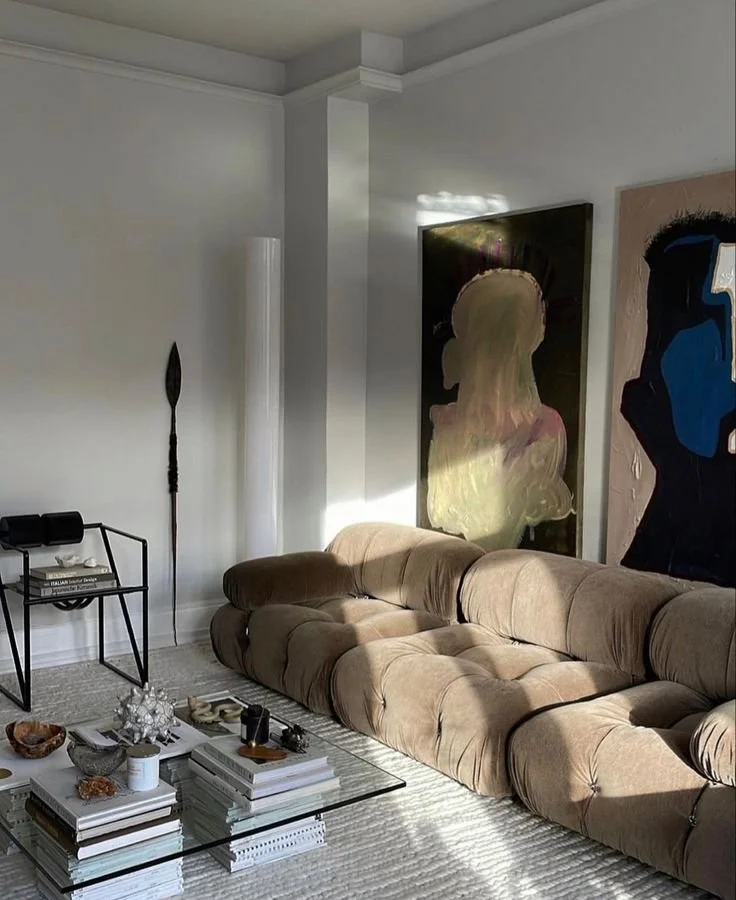
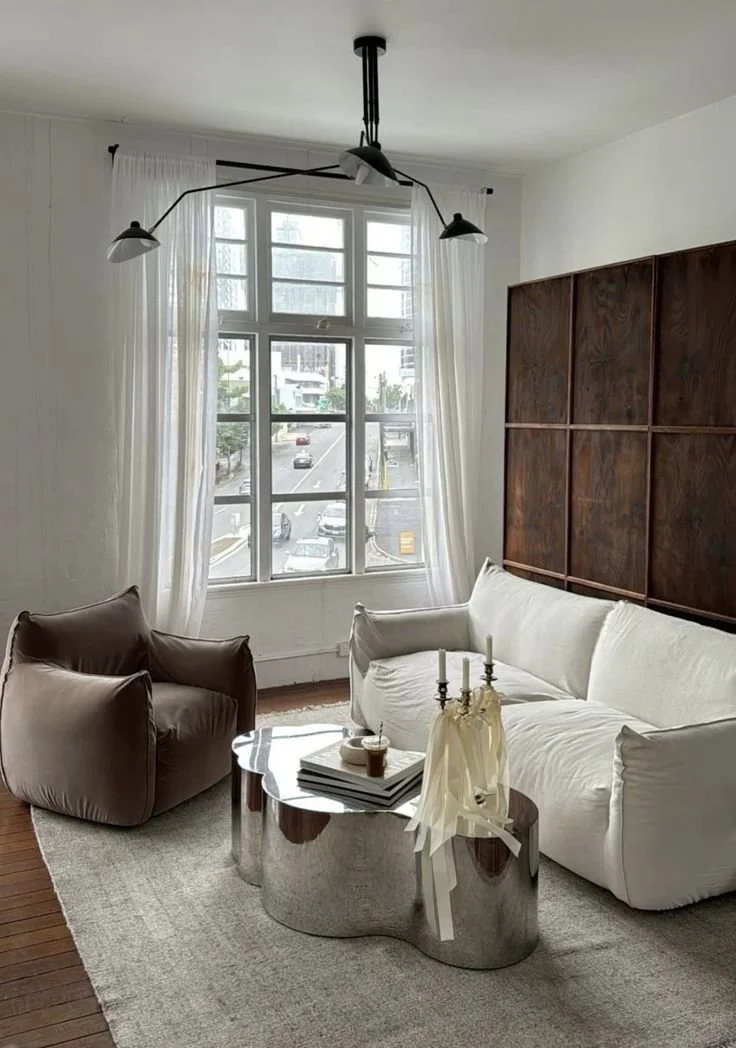
One of the questions we ask ourselves during every project is surprisingly simple: Will this look even better in ten years? Some materials improve with time. Solid oak develops a rich patina. Natural linen softens. Leather becomes more supple. Travertine gains character through daily life. Others deteriorate quickly, forcing replacement far sooner than expected. The goal is not perfection. It is longevity.
Credits: Pinterest
Credits: Pinterest
3. What Is the Cost Per Year?
Luxury is often associated with high prices. In reality, good design is frequently the more economical decision over time. Imagine two sofas. The first costs €2,000 and lasts six years. The second costs €9,000 but remains beautiful for twenty-five years. When viewed over their lifespan, the investment becomes surprisingly similar. The difference lies in comfort, craftsmanship, sustainability, and the pleasure of living with a piece that improves rather than deteriorates. We encourage clients to think beyond the purchase price and consider the lifetime value of every investment.
4. Will This Piece Work if My Home Evolves?
Homes change. Families grow. People move. Children become teenagers. Workspaces become nurseries. A well-designed piece should be adaptable. Neutral, well-proportioned furniture often integrates into different homes more easily than highly trend-driven pieces. Flexibility is one of the most underrated qualities in good design.
5. Does It Contribute to the Atmosphere?
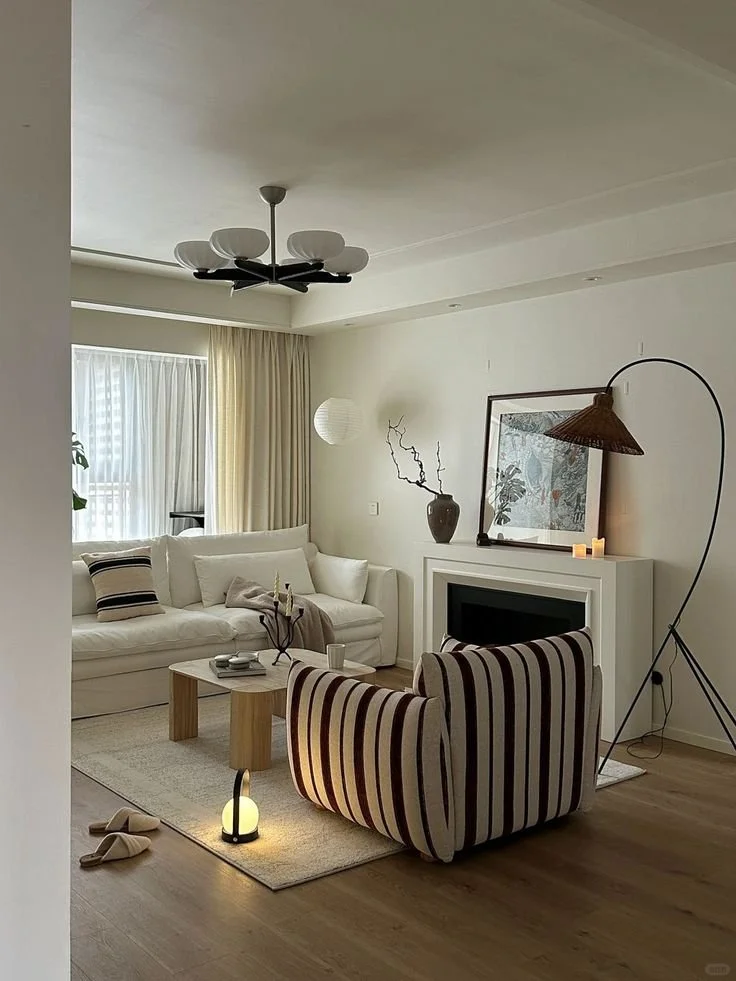
Interior design is never about individual objects. It is about relationships. The relationship between furniture and architecture. Between light and shadow. Between textures. Between scale and proportion. A beautiful chair can still feel completely wrong if it disrupts the balance of the room. Always ask yourself:
What atmosphere does this piece help create? Calm? Warmth? Sophistication? Playfulness? Every decision should support the same emotional direction.
Credits: Pinterest
The 80/20 Rule We Often Recommend
One principle we frequently apply is investing the majority of a budget in pieces that are difficult to replace. This includes:
the sofa
the dining table
the bed
lighting
flooring
bespoke joinery
Accessories, cushions, decorative objects and smaller pieces can evolve over time. This approach creates interiors that remain timeless while still allowing room for change.
The Luxury of Empty Space
One of the most overlooked aspects of luxury design is restraint. Not every wall requires artwork. Not every corner needs a chair. Not every shelf should be filled. In Japanese architecture, there is a concept called Ma—the intentional use of empty space. Rather than seeing emptiness as something missing, it is considered an essential part of the composition. It allows architecture to breathe. Light to move freely. Materials to be appreciated. Luxury often begins where clutter ends.
Build a Home, Not a Catalogue
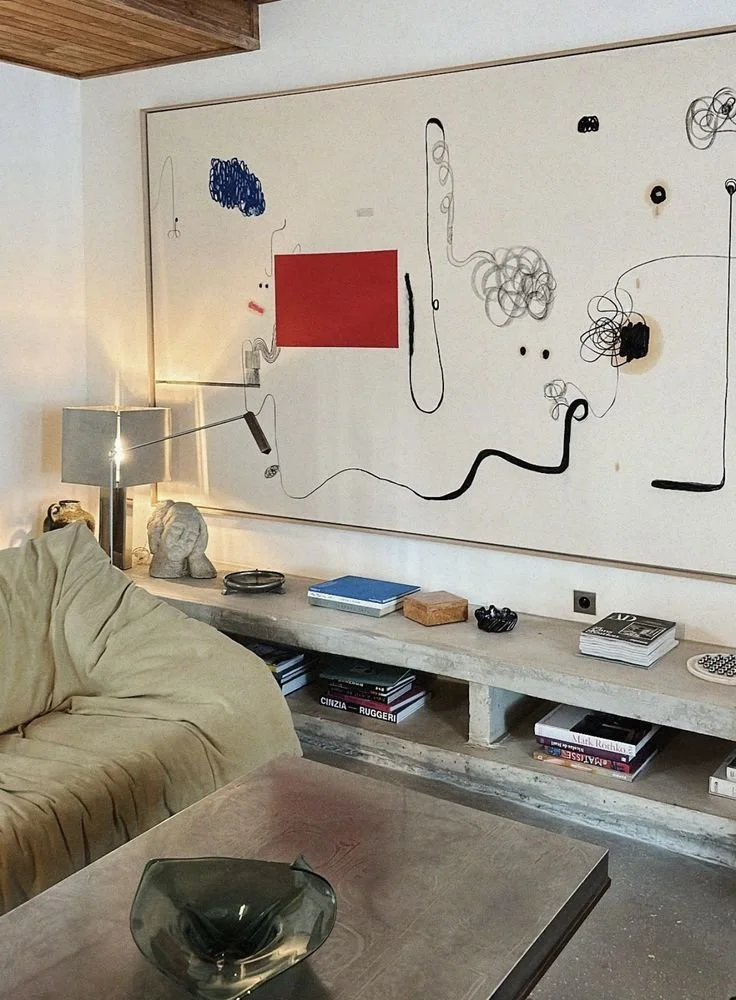
One of the easiest traps to fall into today is designing a home that resembles a showroom. Everything matches. Everything is new. Everything arrives on the same day. Ironically, these interiors often feel the least personal. The homes we remember are layered. They mix contemporary furniture with vintage finds. Contemporary art with family heirlooms. Natural materials with handcrafted objects. Rather than asking yourself whether every piece matches, ask whether every piece belongs. There is a subtle but important difference.
Credits: Pinterest
Our Philosophy at Studio Bisson
At Studio Bisson, we believe the most beautiful interiors are those that improve with time. Our role is not simply to create visually beautiful spaces, but to design homes that feel effortless to live in—spaces that reflect the lives, routines, and personalities of the people who inhabit them. That often means encouraging our clients to slow down. To invest in fewer, better pieces. To prioritise craftsmanship over trends. To leave room for their home to evolve naturally over the years. Because true luxury is not about having everything. It is about knowing exactly what deserves a place in your home.
