
Choosing the Right Bed: A Guide to the Different Types of Beds
The bed is often the largest piece of furniture in a bedroom, making it one of the most important design decisions you'll make. Beyond its obvious function, it defines the atmosphere of the room, influences circulation, and sets the tone for the entire interior.
At Studio Bisson, we see the bed as much more than a place to sleep. It is the focal point of the bedroom — a piece that combines comfort, craftsmanship, and aesthetics.
Whether you're furnishing a new home or renovating an existing one, understanding the different types of beds can help you make a more thoughtful choice.
Platform Beds: The Art of Simplicity
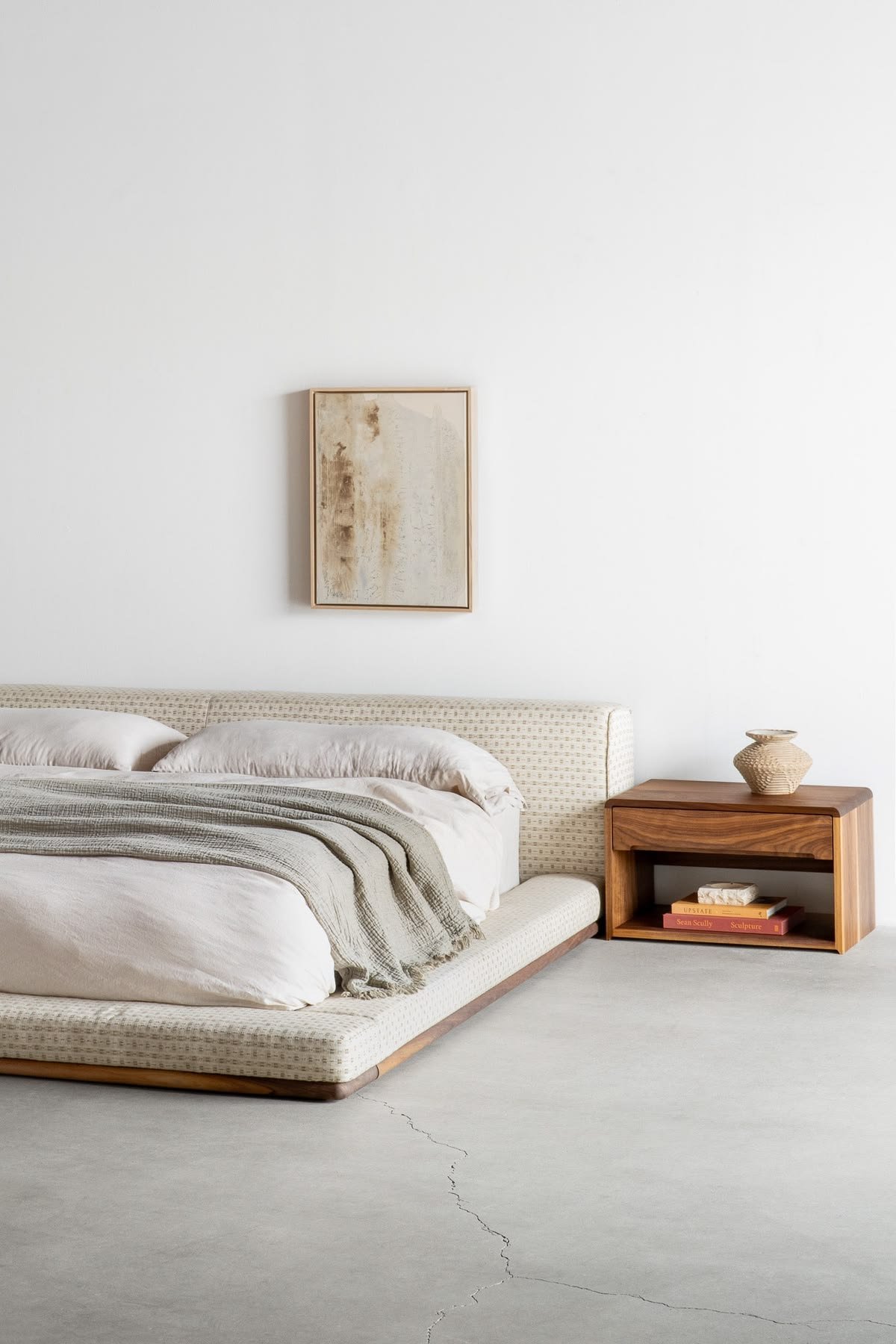
Platform beds have become a defining feature of contemporary interiors thanks to their clean lines and understated elegance. Sitting lower to the ground than traditional beds, they create a sense of openness and make a room feel larger and more balanced.
Originally inspired by Japanese interiors, platform beds encourage a minimalist approach where proportions, natural light, and carefully selected materials take centre stage. Their simplicity allows other architectural elements—such as textured walls, bespoke lighting, or statement artwork—to become the focus.
We particularly recommend platform beds for modern apartments and homes embracing a quiet luxury aesthetic, where every detail is intentional rather than decorative.
Credits: Pinterest
Credits: Pinterest
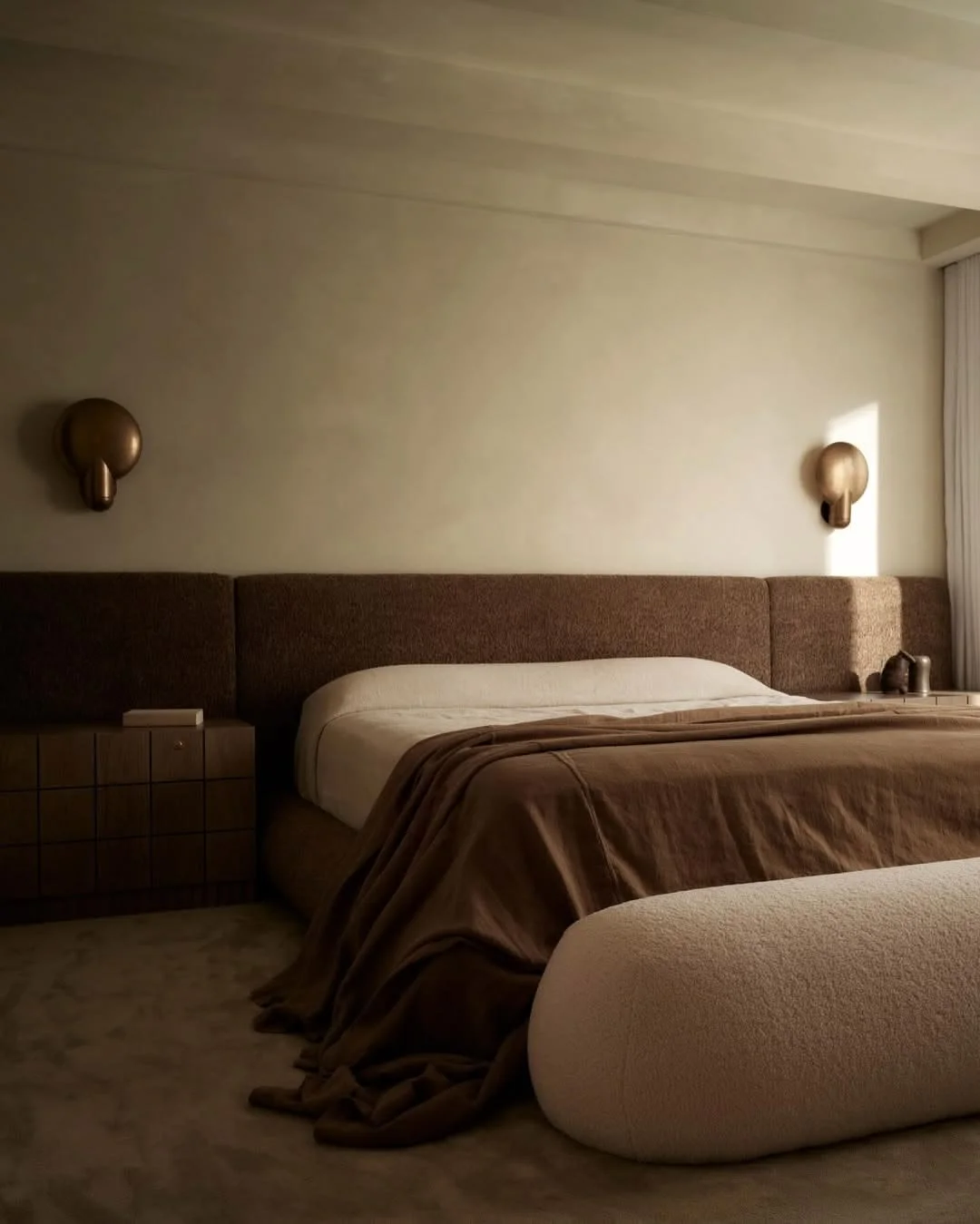
Oversized Headboard Beds: Creating an Architectural Focal Point
An oversized headboard is one of the simplest ways to transform a bedroom into a space that feels bespoke and luxurious.
Rather than stopping at the width of the mattress, these headboards often extend across the wall, visually framing the bed and bringing a sense of balance to the room. Some incorporate integrated bedside tables, concealed lighting, or wooden panelling, turning the sleeping area into a cohesive architectural composition.
Beyond aesthetics, oversized headboards also improve comfort by providing generous back support when reading or relaxing, while helping soften acoustics through their upholstered surfaces.
This is a solution we frequently use in our own projects because it immediately elevates the room without relying on excessive decoration.
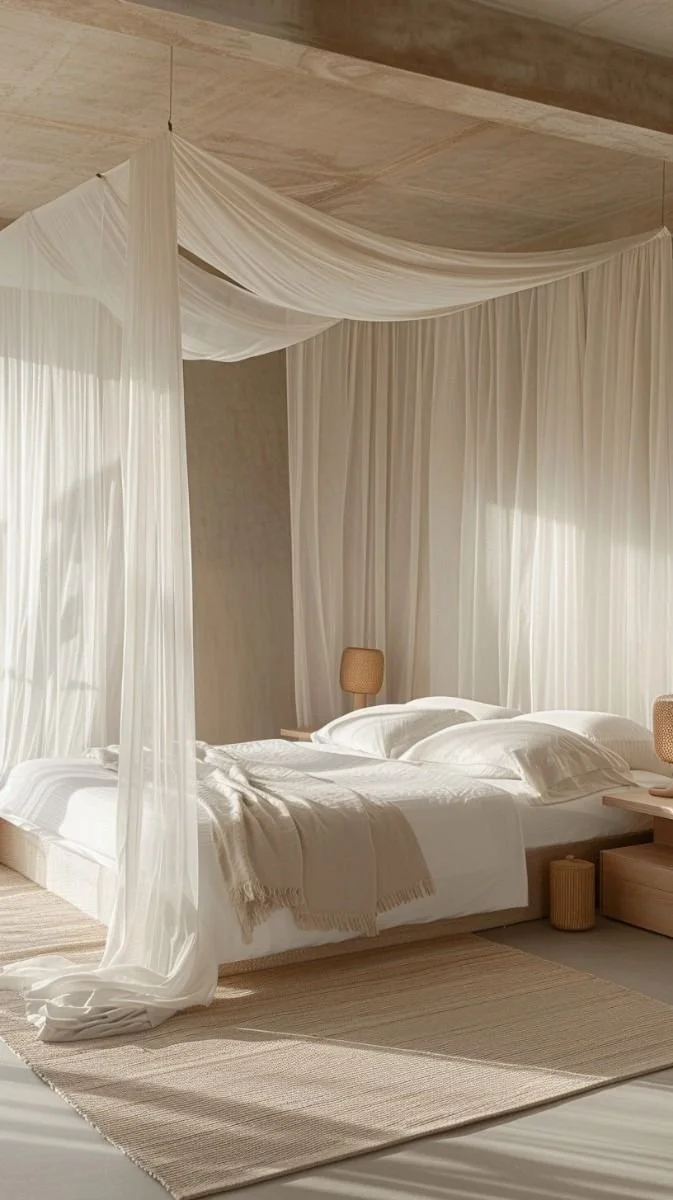
Canopy Beds: Sculptural and Timeless
Canopy beds have evolved significantly from their historical origins.
While they were once designed to provide warmth and privacy, today's versions are lighter, more refined, and often become the sculptural centrepiece of a bedroom.
Contemporary canopy beds feature slim timber or metal frames that add height and structure while maintaining an airy appearance. They naturally draw the eye upward, making them particularly suitable for rooms with generous ceiling heights.
When styled with restraint, they create an elegant boutique-hotel atmosphere without feeling overly traditional.
Credits: Pinterest
Credits: Pinterest
Floating Beds: Lightness Through Design
Floating beds are designed with hidden supports that create the illusion of the bed hovering above the floor.
This visual lightness contributes to a calm and uncluttered atmosphere, making the bedroom appear more spacious than it actually is.
Many contemporary floating beds also integrate concealed LED lighting beneath the frame, adding a soft ambient glow during the evening while reinforcing the floating effect.
Their clean geometry makes them particularly suited to minimalist and contemporary interiors where architecture takes precedence over ornament.
Storage Beds: the smart solution
Luxury is no longer defined by excess, but by thoughtful functionality.
Storage beds are an excellent example of this philosophy. By incorporating hidden drawers or lift-up storage beneath the mattress, they maximise every square metre without compromising aesthetics.
They are especially valuable in city apartments where additional wardrobes or cabinets may not be possible.
When well designed, storage remains completely invisible, allowing the bedroom to feel calm, organised, and visually uncluttered.
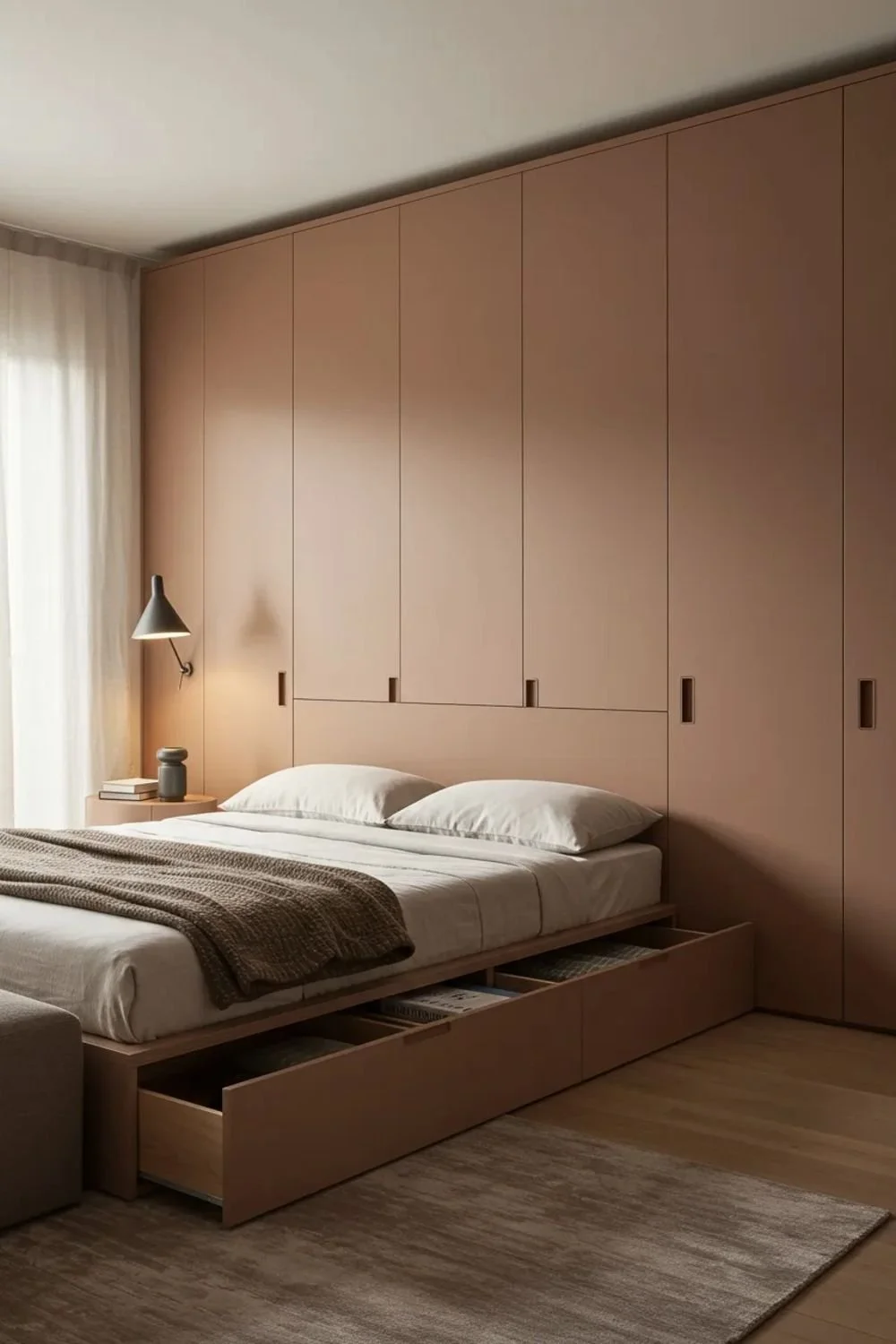
Credits: Pinterest
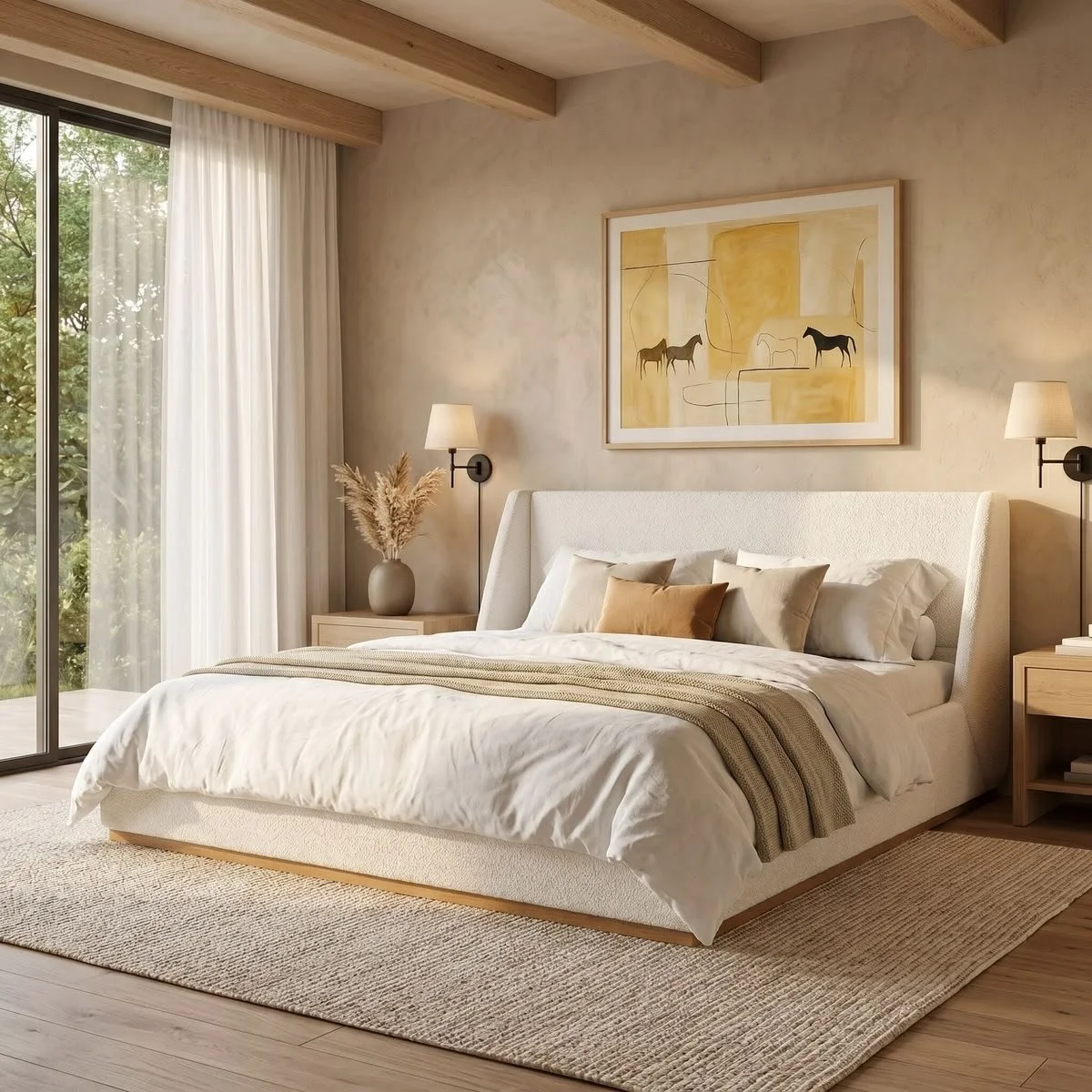
Credits: Pinterest
Wingback Beds: Comfort with Character
Recognisable by the side panels that gently wrap around the headboard, wingback beds create an immediate feeling of intimacy and comfort.
Historically designed to protect sleepers from cold drafts, today they are appreciated for their elegant proportions and cocooning effect.
Their enveloping silhouette naturally draws attention to the bed while adding softness to the room, making them an excellent choice for bedrooms that seek warmth without sacrificing sophistication.
Wingback beds pair beautifully with layered textiles, soft lighting, and neutral colour palettes.
Four-Poster Beds: A Contemporary Classic
Four-poster beds have long been associated with grand historic homes, but contemporary interpretations have transformed them into remarkably versatile pieces.
Unlike traditional carved versions, modern four-poster beds often feature clean geometric frames in oak, walnut, or powder-coated steel.
Their vertical structure introduces rhythm and proportion into the room without overwhelming the space.
When used in a restrained palette, they become elegant architectural elements that frame the sleeping area while maintaining a timeless aesthetic.
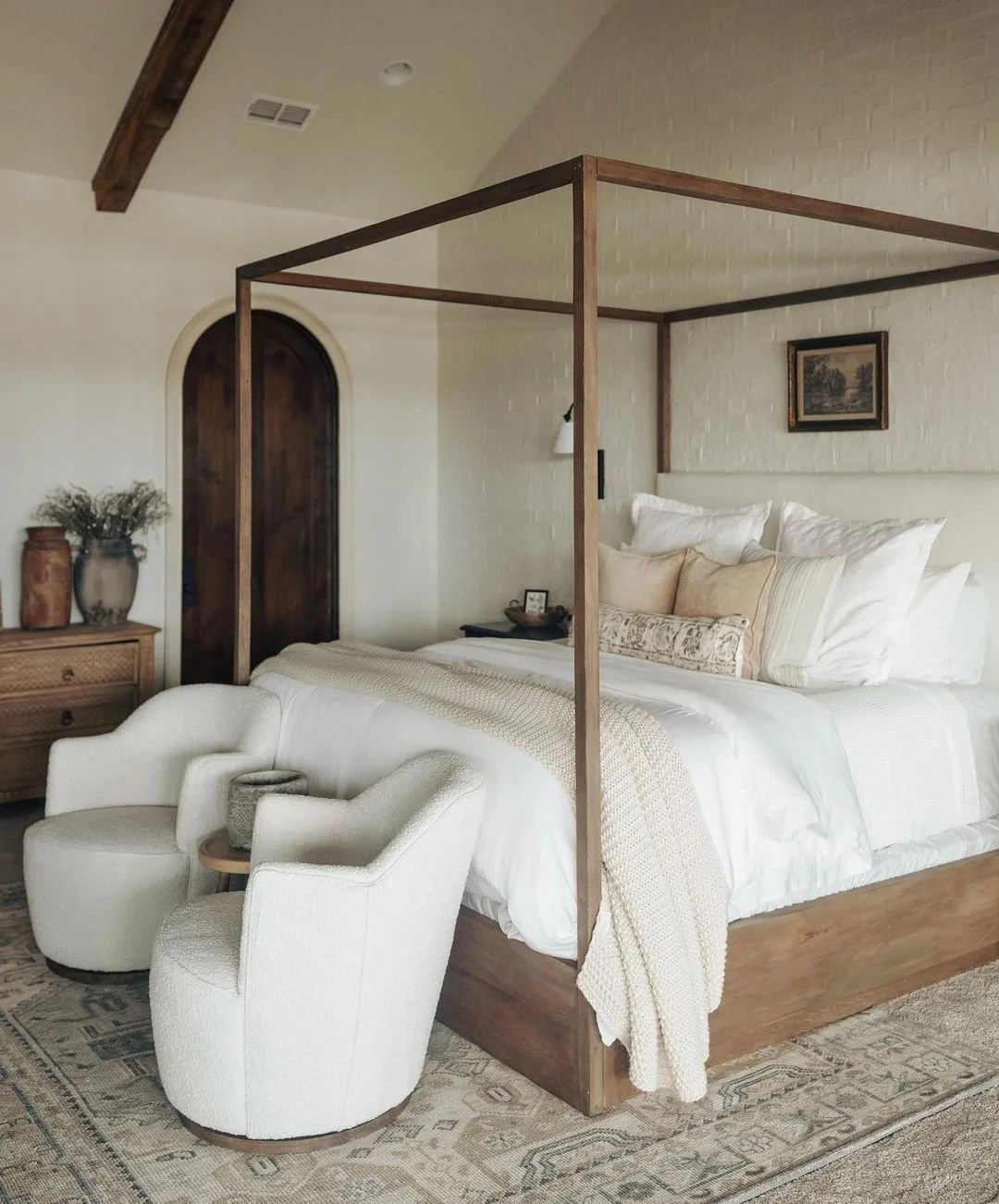
Credits: Pinterest
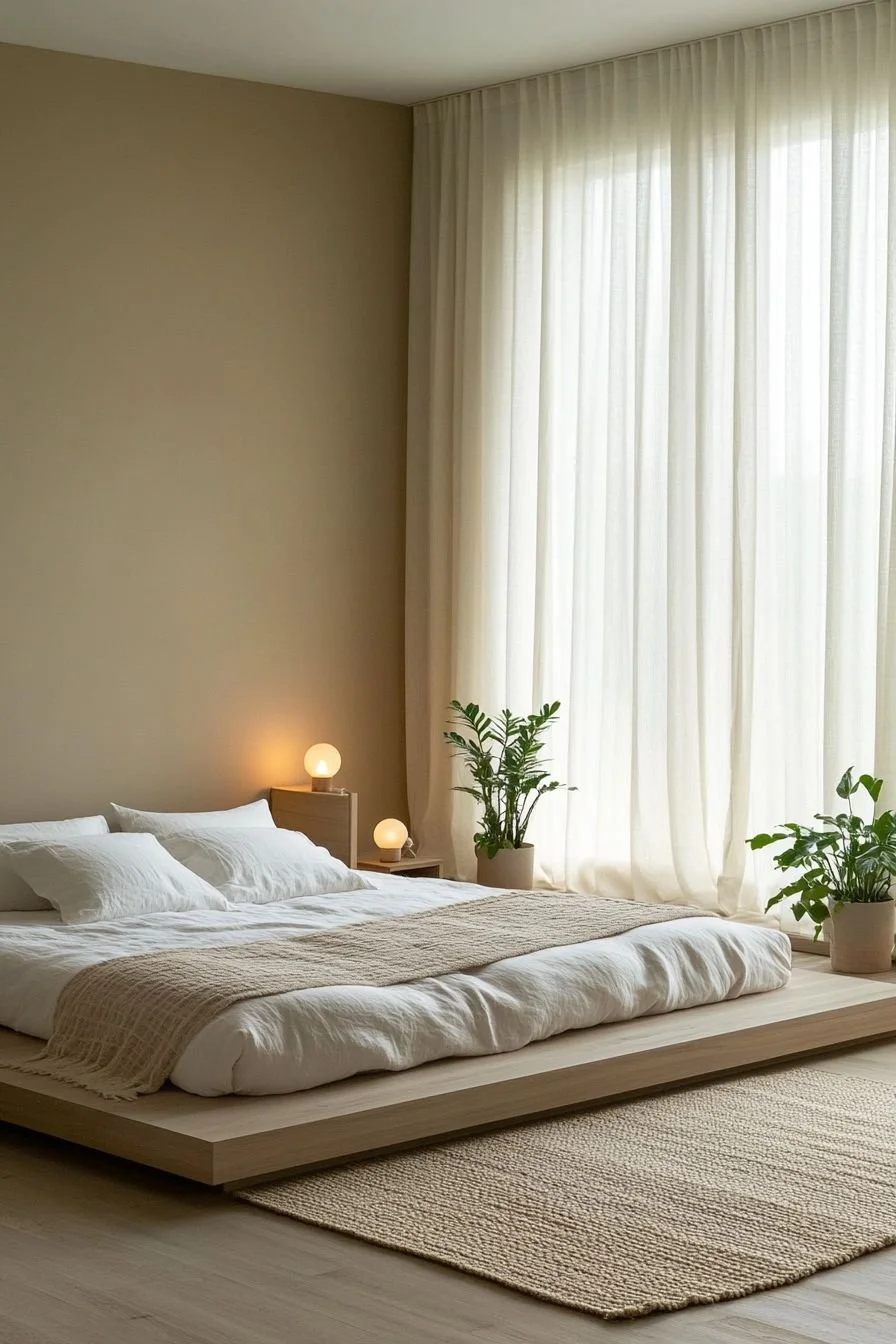
Credits: Pinterest
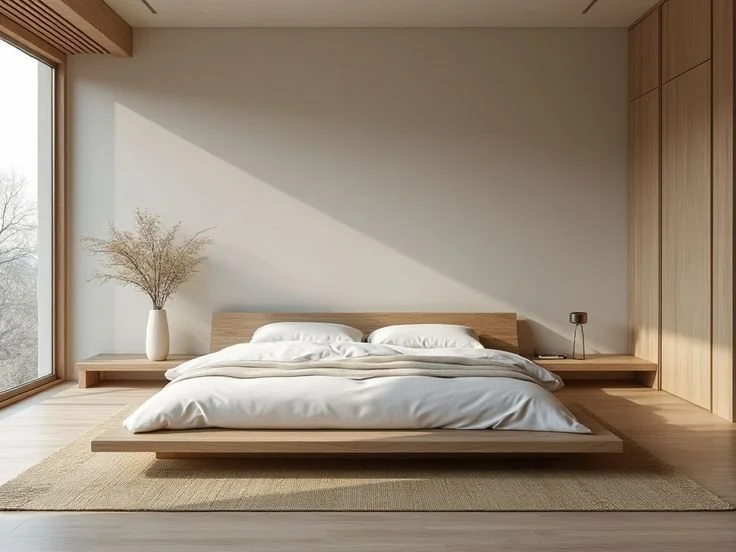
Japanese Low Beds: Inspired by Mindful Living
Japanese low beds embody a philosophy that extends far beyond furniture.
Positioned close to the floor, they encourage a slower pace of life and establish a stronger connection between the body and the surrounding architecture.
This design approach creates bedrooms that feel grounded, peaceful, and uncluttered. The lower profile also enhances the perception of ceiling height, making even modest rooms feel more generous.
As long-time admirers of Japanese architecture, we appreciate how these beds reflect values of simplicity, craftsmanship, and harmony—principles that continue to inspire many of our own residential projects.
