
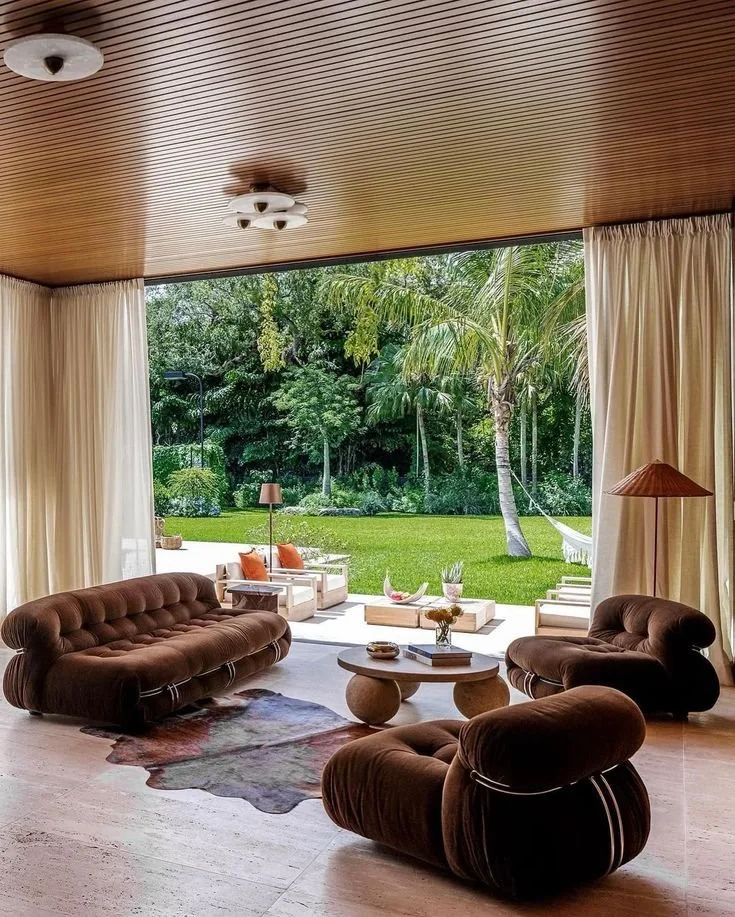
10 Iconic Sofas That Shaped Interior Design
When we select a sofa for a project, we don't begin by asking whether it is iconic. We ask whether it is right.
Right for the architecture. Right for the proportions. Right for the way our clients live. Right for the atmosphere we want to create.
Sometimes that means choosing a famous design. Sometimes it means discovering a lesser-known piece from a talented designer or an exceptional artisan. The ultimate goal is not to fill a room with recognisable names. It is to create an interior where every piece has a reason to be there. Because the best furniture doesn't simply occupy a space. It changes the way we experience it.
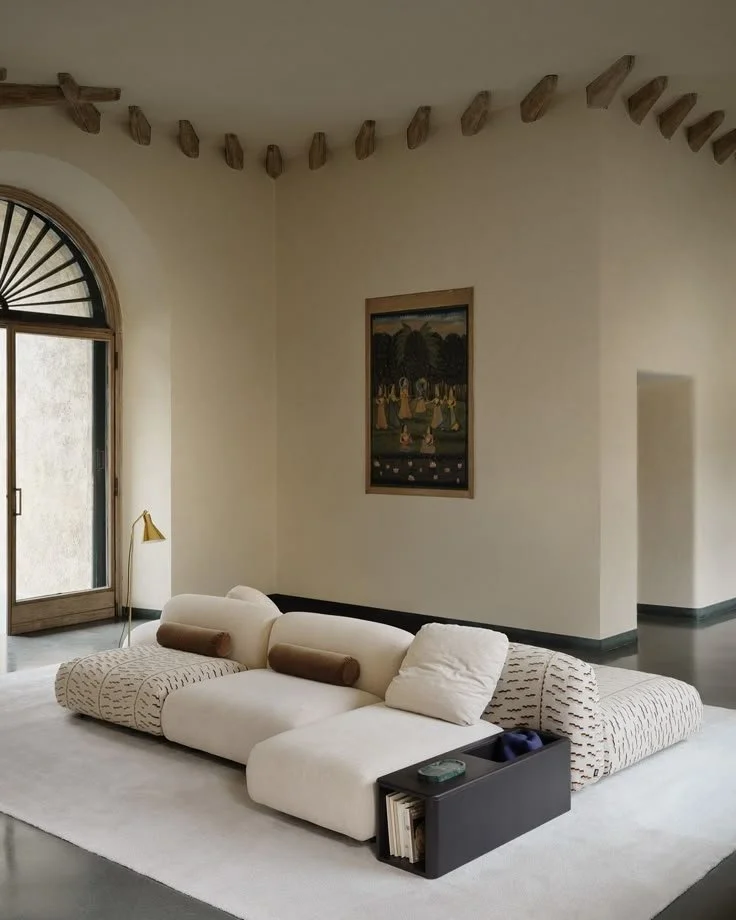
The Complete Guide to Choosing the Perfect Sofa: Styles, Proportions & Design Tips
Understanding Sofa Proportions
A sofa should feel perfectly balanced within a room.
One of the most common mistakes we see is choosing a sofa that is simply too large.
An oversized sofa can make even generous living rooms feel heavy and restrict circulation.
Equally, a sofa that is too small often leaves the room feeling disconnected and under-furnished.
As a general rule, we often aim for a sofa that occupies around two-thirds of the main wall, while leaving enough breathing space around it.
Maintaining 70–90 cm (28–36 inches) of circulation around key furniture allows movement to feel natural and effortless.
Luxury interiors rarely maximise every square metre—they prioritise comfort and flow.
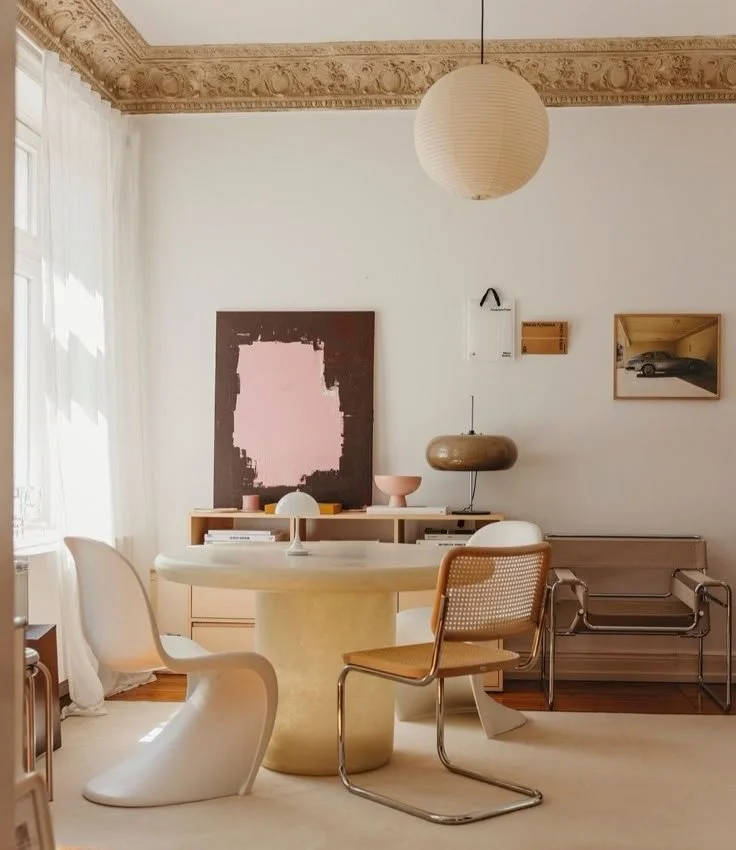
Designing a Home with Intention: The Art of Choosing Pieces That Last
Will This Piece Work if My Home Evolves?
Homes change. Families grow. People move. Children become teenagers. Workspaces become nurseries. A well-designed piece should be adaptable. Neutral, well-proportioned furniture often integrates into different homes more easily than highly trend-driven pieces. Flexibility is one of the most underrated qualities in good design.
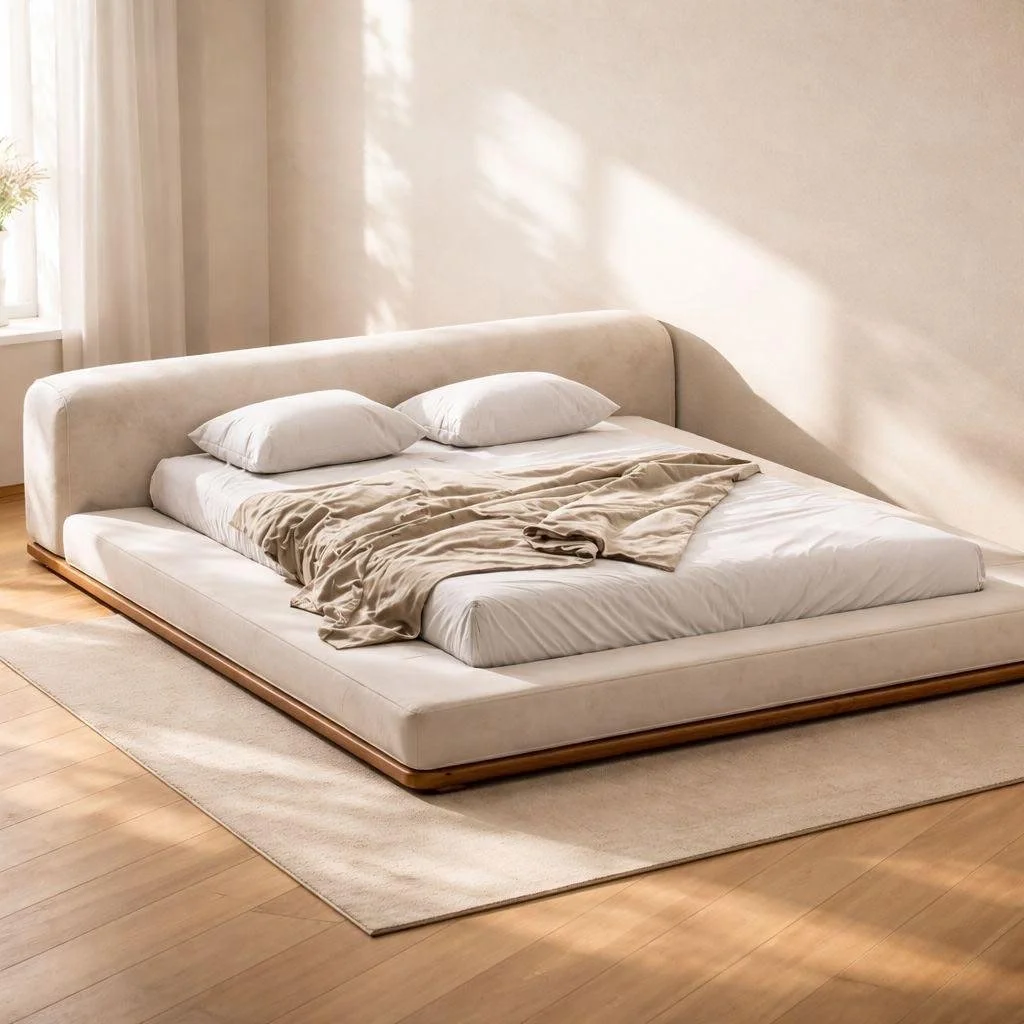
Choosing the Right Bed: A Guide to the Different Types of Beds
The bed is often the largest piece of furniture in a bedroom, making it one of the most important design decisions you'll make. Beyond its obvious function, it defines the atmosphere of the room, influences circulation, and sets the tone for the entire interior.
At Studio Bisson, we see the bed as much more than a place to sleep. It is the focal point of the bedroom — a piece that combines comfort, craftsmanship, and aesthetics.
Whether you're furnishing a new home or renovating an existing one, understanding the different types of beds can help you make a more thoughtful choice.
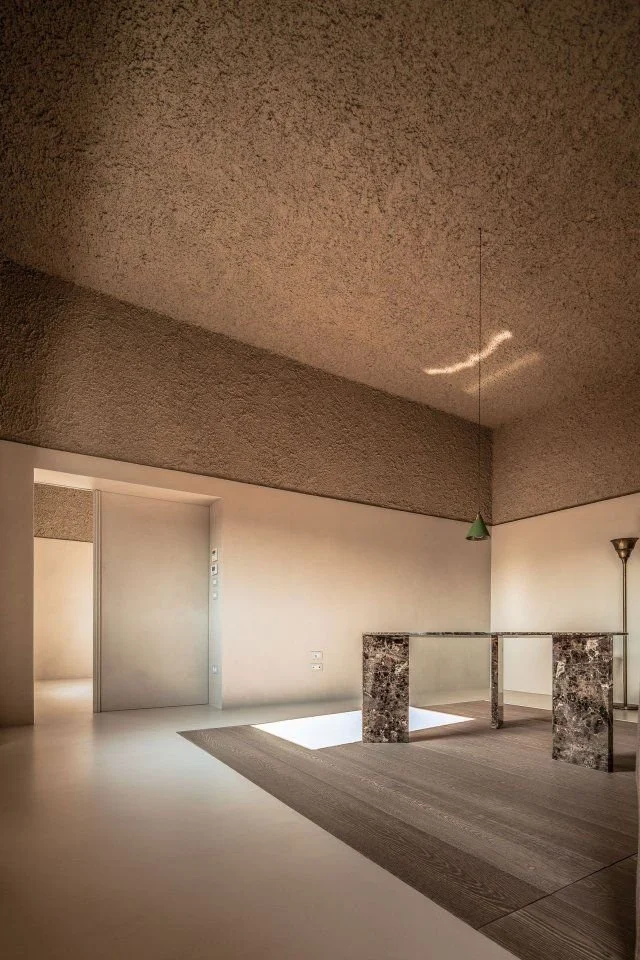
Sustainable Luxury: Choosing Materials That Stand the Test of Time
Sustainable luxury begins with durability.
When selecting materials for a renovation or new project, we always encourage our clients to think beyond immediate trends and consider how a material will look ten, twenty, or even thirty years from now.
Natural materials tend to excel in this regard. Unlike synthetic alternatives, they often develop a patina that enhances their beauty over time.
Solid oak, natural stone, linen, terracotta, and lime-based finishes all share this remarkable ability to age gracefully. Small imperfections become part of their story rather than signs of deterioration.
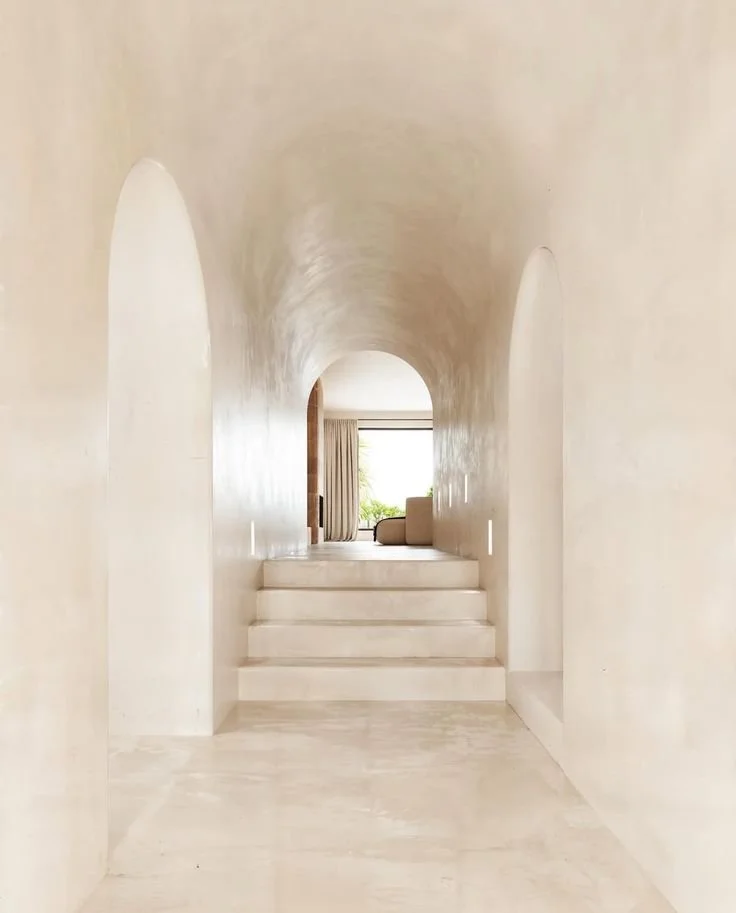
Waxed Concrete: A Material We Continue to Come Back To
Waxed concrete is one of those materials where execution changes everything.
A beautiful result depends less on the product itself and far more on the expertise of the artisan applying it. Texture, movement, depth, color consistency, and durability all rely heavily on technique.
Poorly applied waxed concrete can crack, stain, or age badly. Well-executed surfaces, on the other hand, can remain beautiful for years.
This is why choosing experienced professionals is essential.