
Sustainable Luxury: Choosing Materials That Stand the Test of Time
Luxury is evolving.
For years, luxury interiors were often associated with rarity, excess, and abundance. Today, however, a new definition is emerging — one rooted in quality, longevity, and thoughtful design.
At Studio Bisson, we believe that true luxury is not about having more. It is about choosing better.
One of the most powerful ways to create a timeless interior is through the careful selection of materials. Beyond their aesthetic qualities, materials shape how a space feels, ages, and performs over time. The most beautiful interiors are often those that improve with the years, developing character and depth rather than wearing out.
So how do we integrate sustainability into high-end residential projects without compromising elegance?
Investing in Longevity
Sustainable luxury begins with durability.
When selecting materials for a renovation or new project, we always encourage our clients to think beyond immediate trends and consider how a material will look ten, twenty, or even thirty years from now.
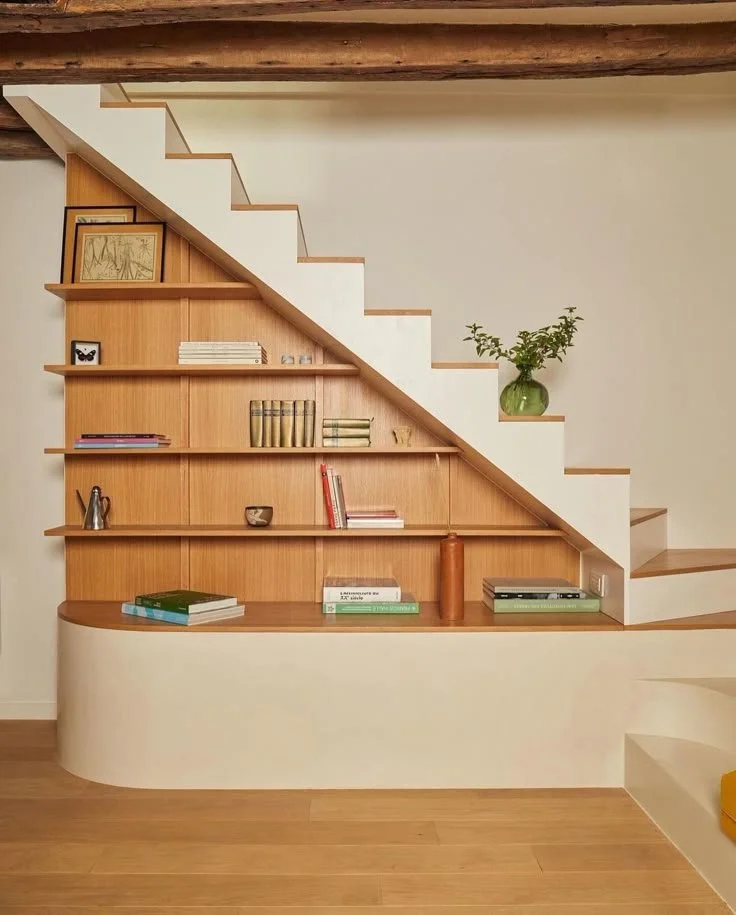
Natural materials tend to excel in this regard. Unlike synthetic alternatives, they often develop a patina that enhances their beauty over time.
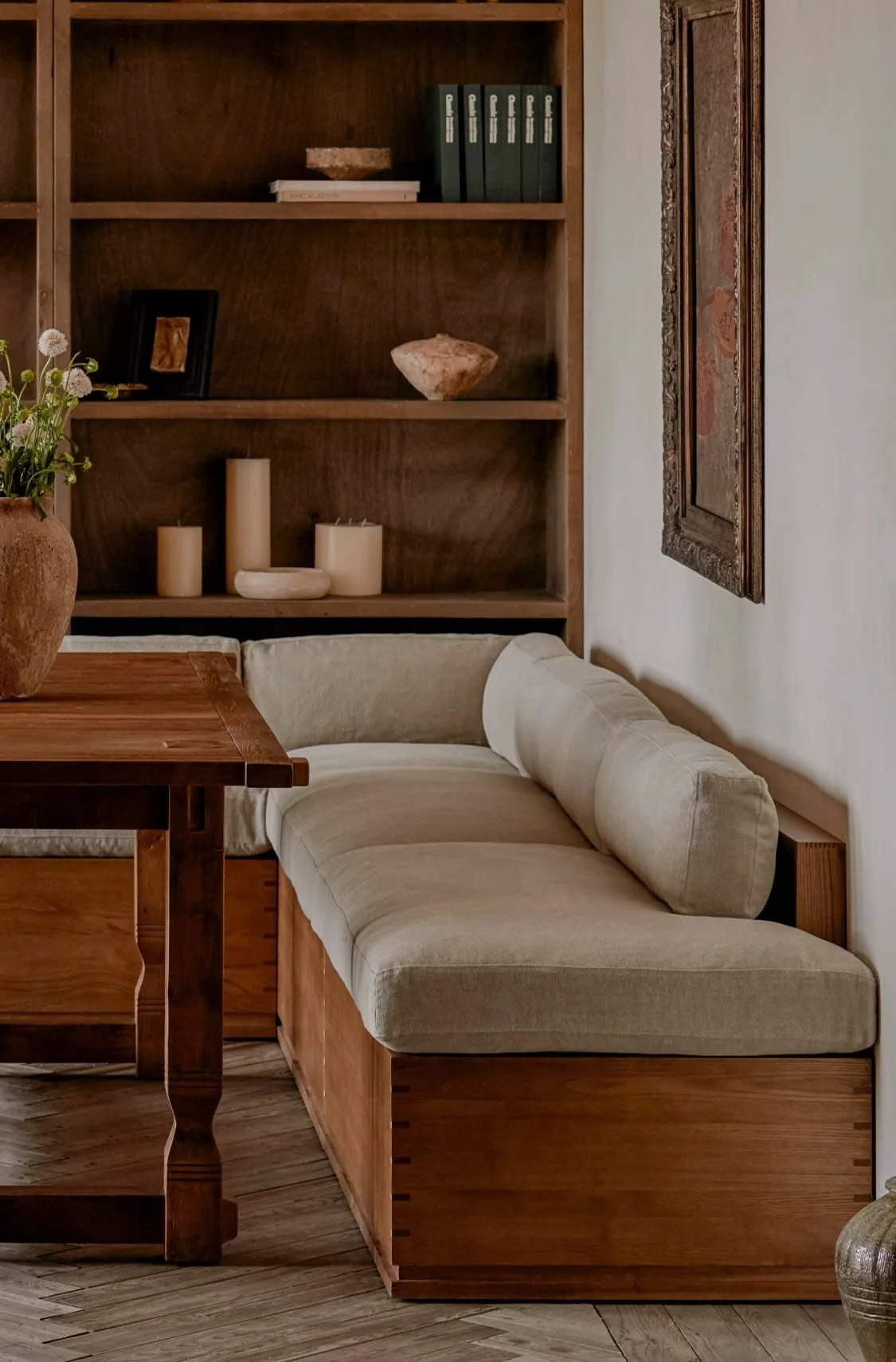
Solid oak, natural stone, linen, terracotta, and lime-based finishes all share this remarkable ability to age gracefully. Small imperfections become part of their story rather than signs of deterioration.
In our view, replacing a material every few years is rarely luxurious. Choosing something that remains beautiful for decades is.
Credits: Pinterest
Credits: Pinterest
Wood: Warmth and Authenticity
Wood remains one of our favorite materials for residential interiors.
Its appeal goes beyond aesthetics. Wood brings warmth, comfort, and a sense of permanence that few materials can replicate.
Whether used for bespoke joinery, flooring, wall paneling, or furniture, natural wood introduces texture and depth into a space. We are particularly drawn to oak, walnut, and ash, whose subtle grain patterns add richness without overwhelming an interior.
Wood is also incredibly versatile. It works equally well in contemporary apartments in Lisbon as it does in countryside retreats.
Most importantly, it creates spaces that feel lived-in and welcoming rather than overly polished.
Natural Stone: A Material with Character
Marble, limestone, travertine, and granite have been used in architecture for centuries — and for good reason.
Every slab is unique.
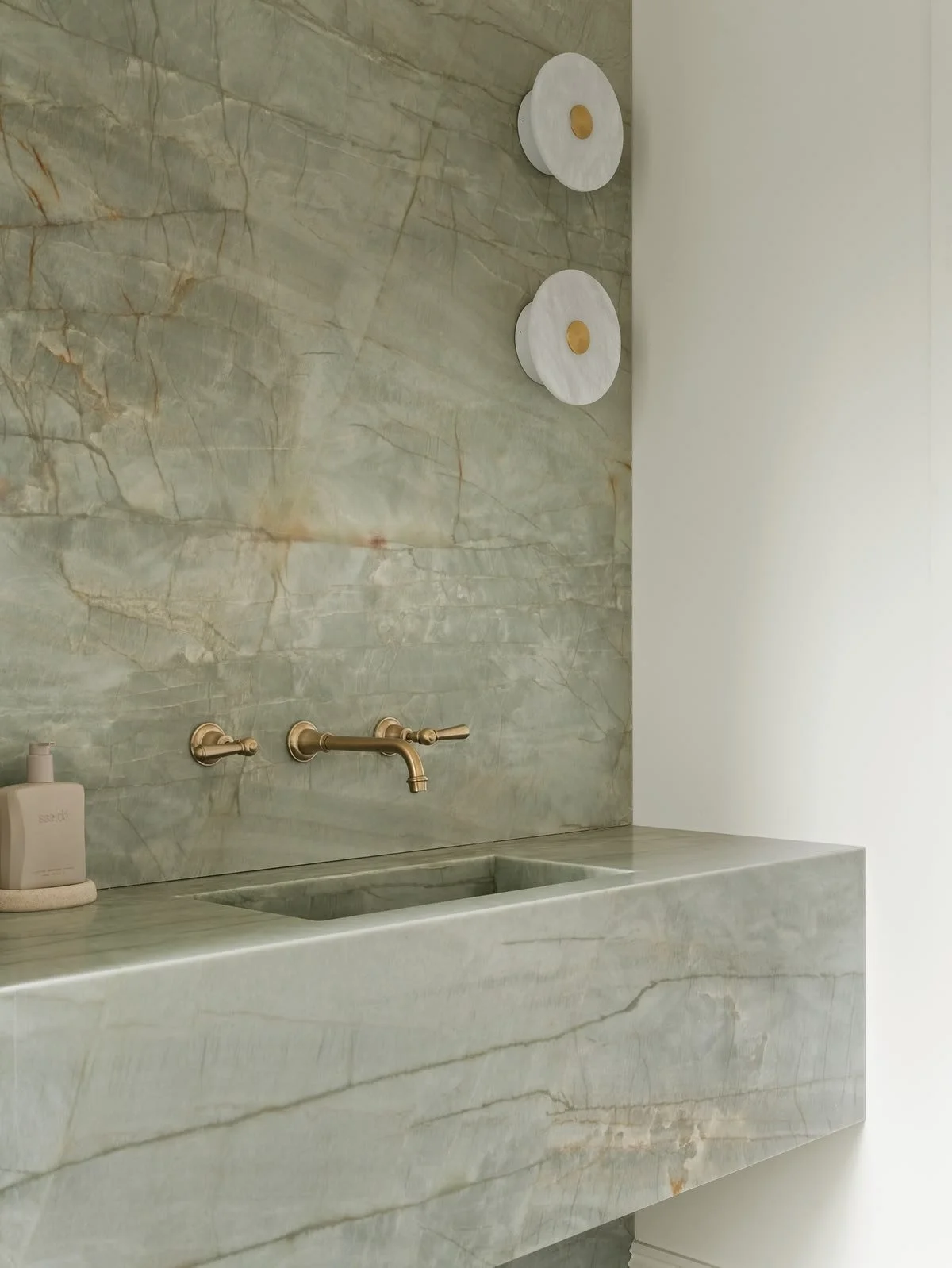
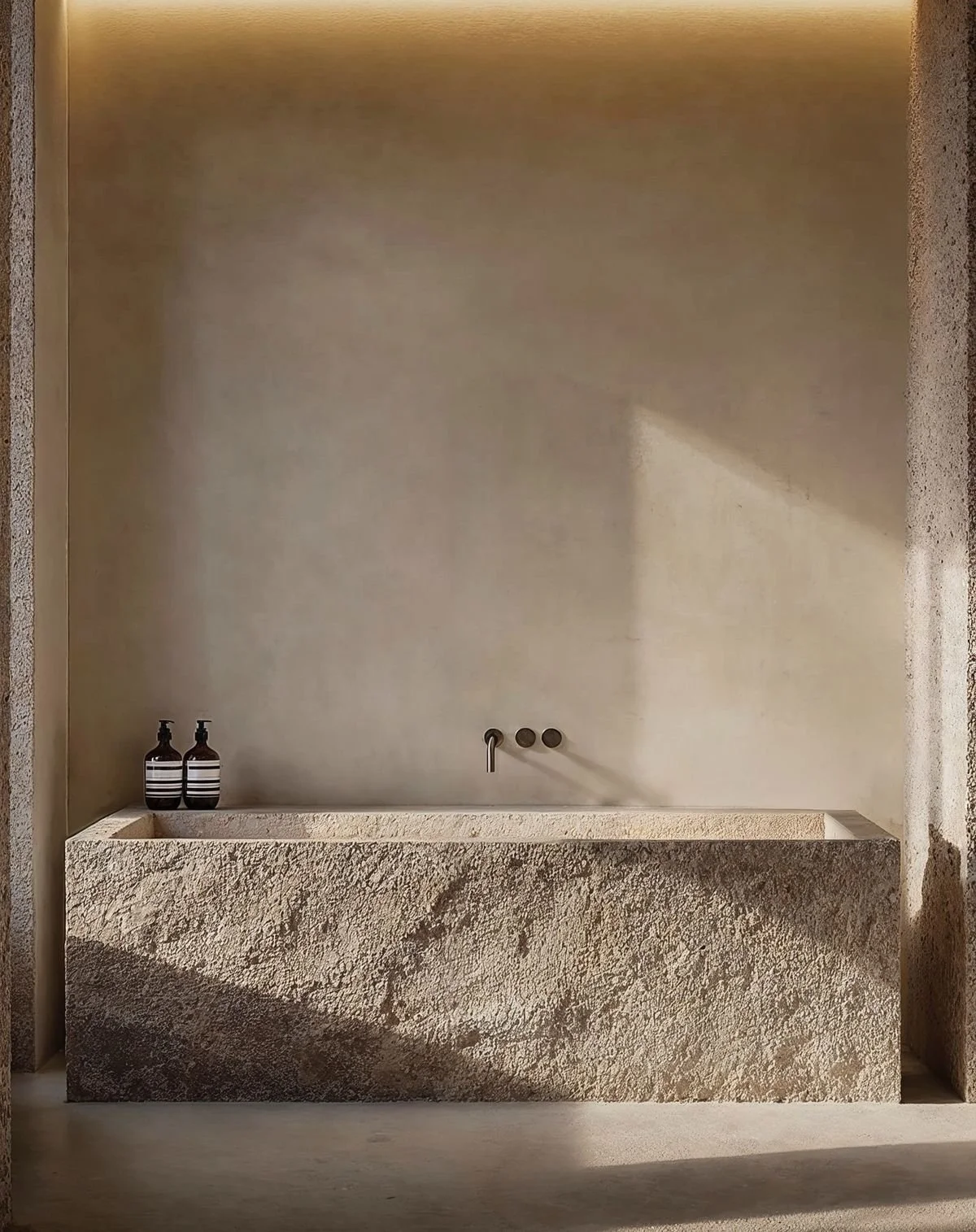
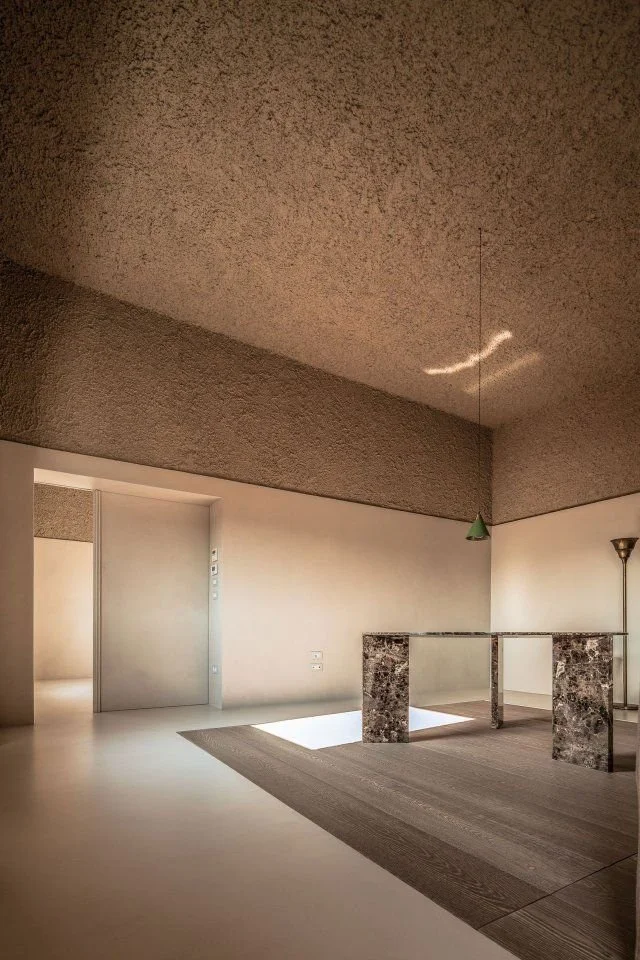
The veining of marble, the soft movement of limestone, or the textured surface of travertine bring a natural sophistication that manufactured materials struggle to imitate.
Stone is particularly interesting because it combines durability with beauty. It performs exceptionally well in kitchens, bathrooms, and high-traffic areas while retaining a sense of refinement.
In luxury interiors, we often see stone as more than a surface. It becomes a focal point that anchors a room.
Credits: Pinterest
Credits: Pinterest
Lime Plaster and Mineral Finishes
Walls are often overlooked when discussing sustainable design.
Yet wall finishes have a significant impact on the atmosphere of a home.
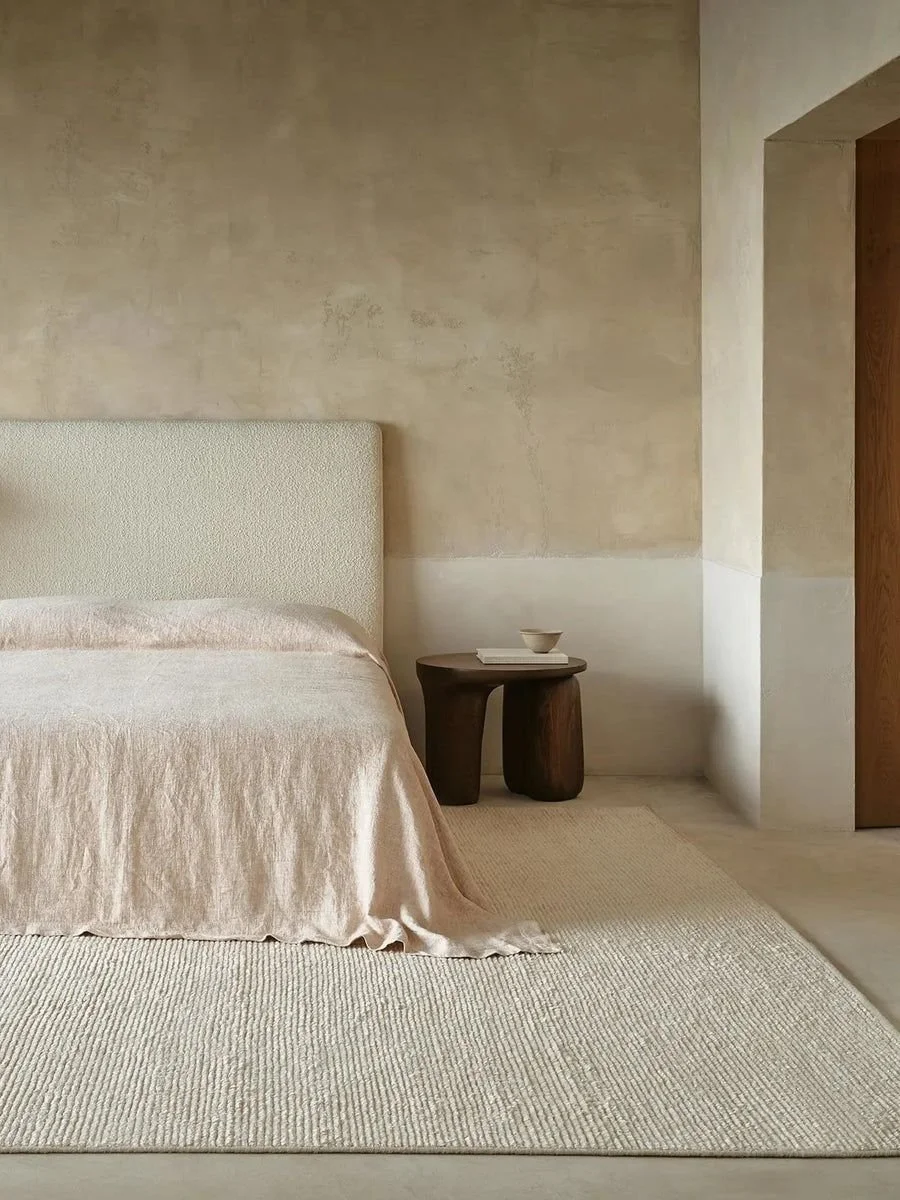
Lime plaster and mineral paints are materials we increasingly specify in our projects. Their soft texture interacts beautifully with natural light, creating depth and subtle variations that standard paint cannot achieve.
These finishes feel calm, tactile, and architectural.
Rather than creating perfectly flat surfaces, they celebrate the beauty of craftsmanship and imperfection.
In a world saturated with smooth synthetic materials, this authenticity feels increasingly luxurious.
Linen, Wool, and Natural Textiles
The experience of a home is shaped not only by hard materials but also by textiles.
Natural fabrics such as linen, wool, cotton, and bouclé add softness while maintaining a refined aesthetic.
Linen curtains gently filter Lisbon's intense sunlight. Wool rugs bring warmth and acoustic comfort. Textured upholstery creates visual interest without relying on bold colors or patterns.
These materials contribute to a quieter, more layered approach to luxury — one based on comfort rather than ostentation.
Credits: Pinterest
Credits: Pinterest
Local Materials, Lasting Value
Whenever possible, we enjoy sourcing materials locally.
Portugal offers remarkable resources, from natural stone and terracotta to cork and handcrafted ceramics.
Beyond reducing transportation, local materials often feel more connected to their environment. They create interiors that belong naturally to their setting rather than feeling imported or disconnected.
This relationship between place and material is something we value deeply in our work.
A More Thoughtful Definition of Luxury
Sustainability and luxury are no longer opposites. In fact, we believe they increasingly go hand in hand.
The most desirable interiors today are not necessarily the most extravagant. They are the ones that feel authentic, comfortable, and designed to last. Choosing materials with care is not simply an environmental decision. It is a design decision.
One that shapes the character of a home for years to come. At Studio Bisson, we see sustainable luxury as an investment in timelessness — creating spaces that remain beautiful long after trends have faded.
