
Renovating in Lisbon: What to Know Before You Start
Lisbon is a city of light, texture, and layered history — and with that beauty comes unique challenges when it comes to renovation.
From tiled façades to intricate moldings, every apartment holds stories worth preserving. Our approach is to envision renovating a home is not just about improving a space — but instead about respecting its soul while adapting it to modern living.
Whether you’re a local or have recently moved here, here’s what to know before you begin.
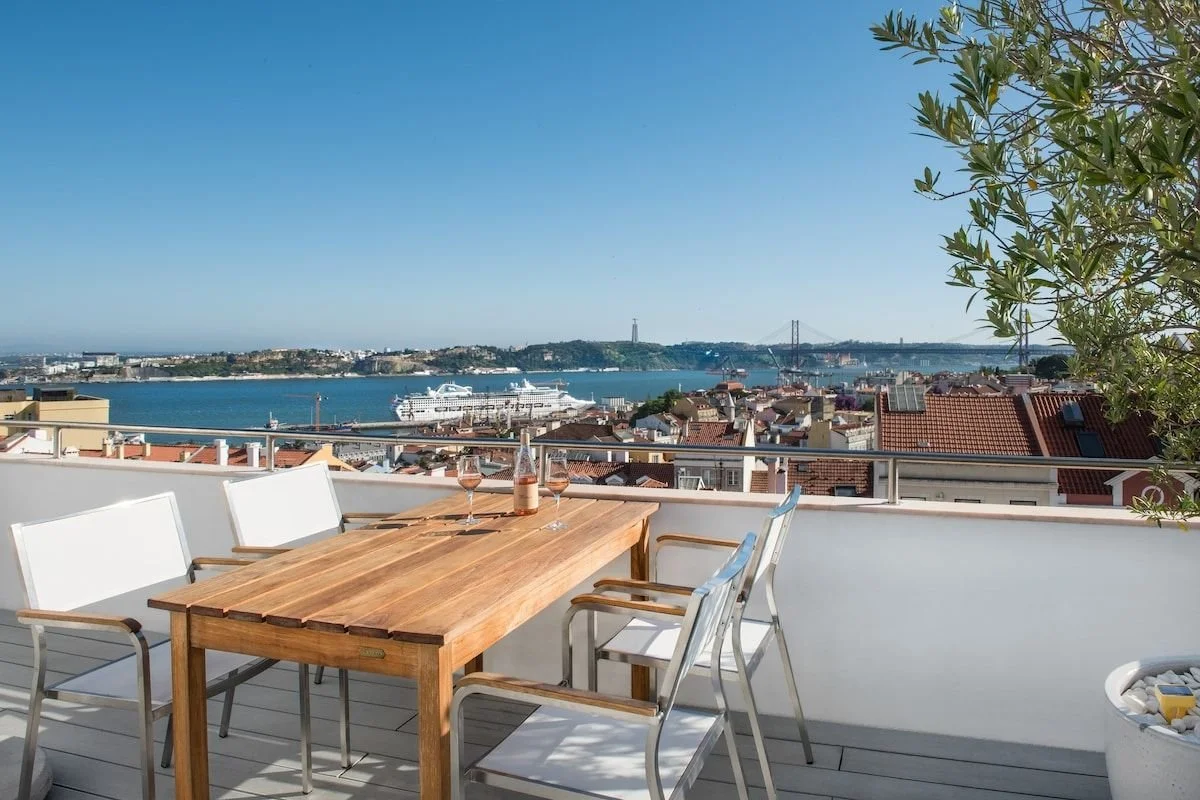
Credits: Pinterest
Understanding the Lisbon Property Landscape
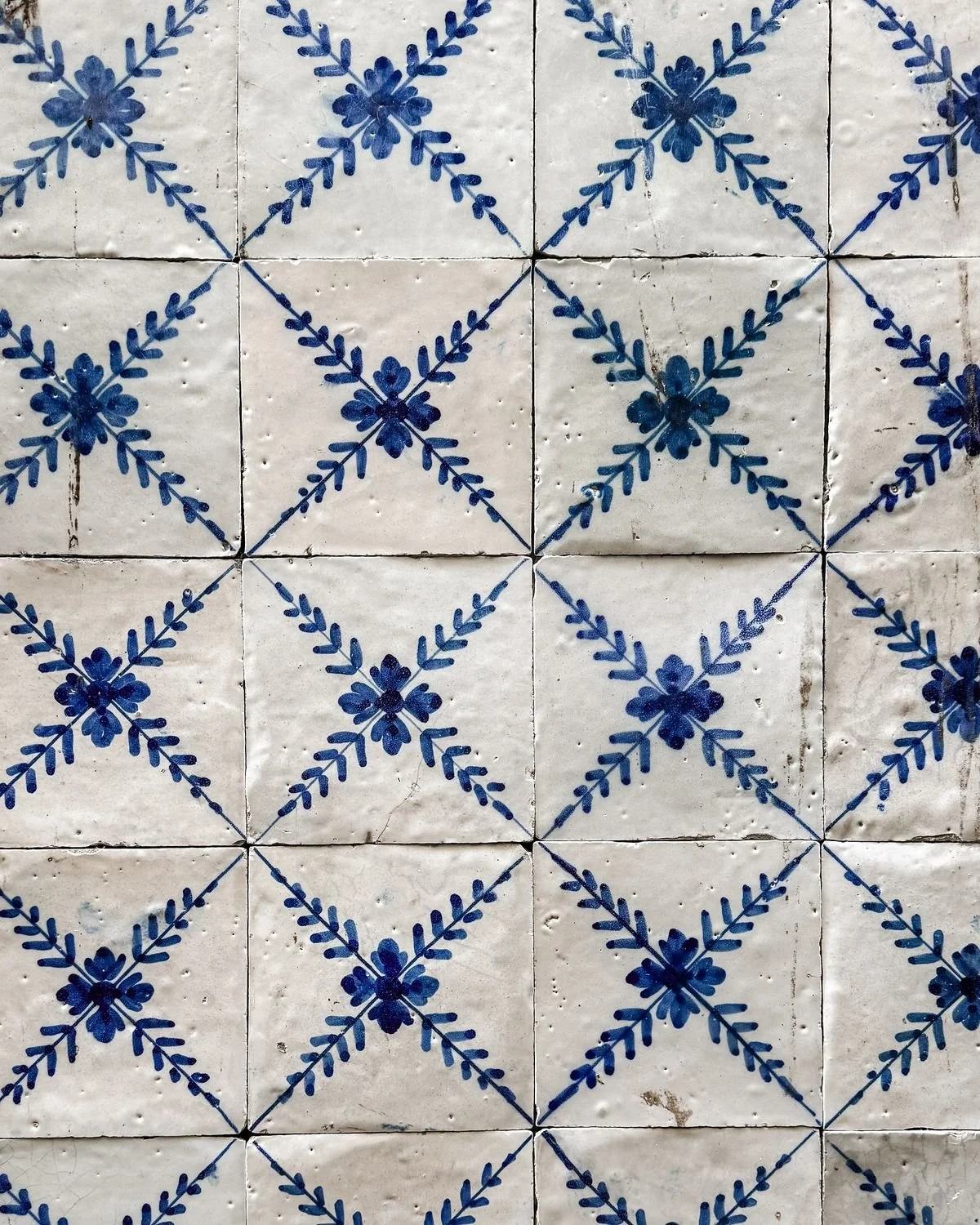
Lisbon’s homes tell stories through their walls — layers of history shaped by time, craftsmanship, and the city’s unique light. Many properties, especially in the historic neighborhoods of Alfama, Estrela, or Príncipe Real, come with distinctive features: uneven floors, thick stone walls, hand-carved doors, or intricate azulejos. These details may seem like challenges at first glance, but they’re part of what makes Lisbon’s architecture so deeply poetic.
Renovating here is an exercise in balance — preserving character while introducing comfort and functionality. The goal isn’t to erase the past, but to let it coexist with modern life. Respecting original structures, maintaining proportions, and choosing materials that speak to the building’s history all contribute to creating interiors that feel both timeless and current.
Because every neighborhood carries its own architectural language and regulations, working with a local architect or interior designer who understands Lisbon’s typologies is essential. Buildings in classified zones or traditional edifícios antigos often require specific permits, and thoughtful planning can make the difference between delay and progress. With the right guidance, what may seem like constraints can become opportunities — the chance to design a home that honors Lisbon’s heritage while embracing your way of living today.
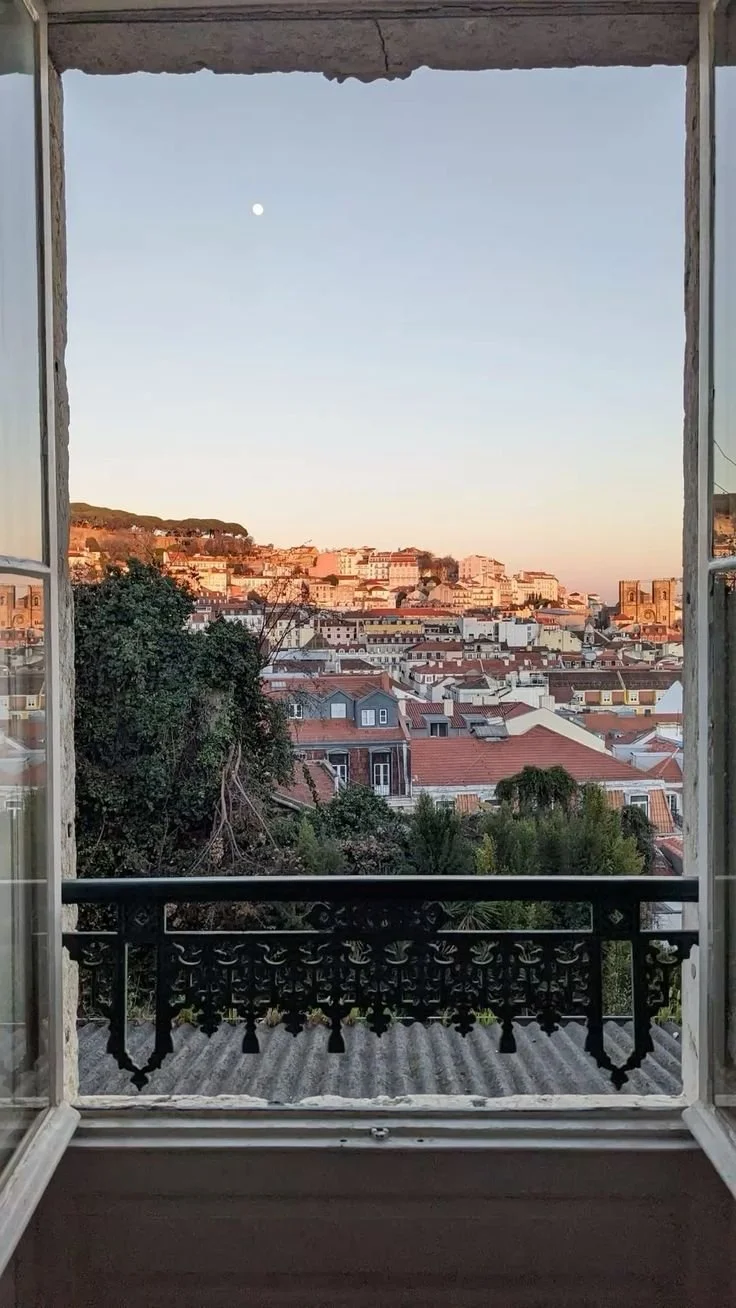
Credits: Pinterest
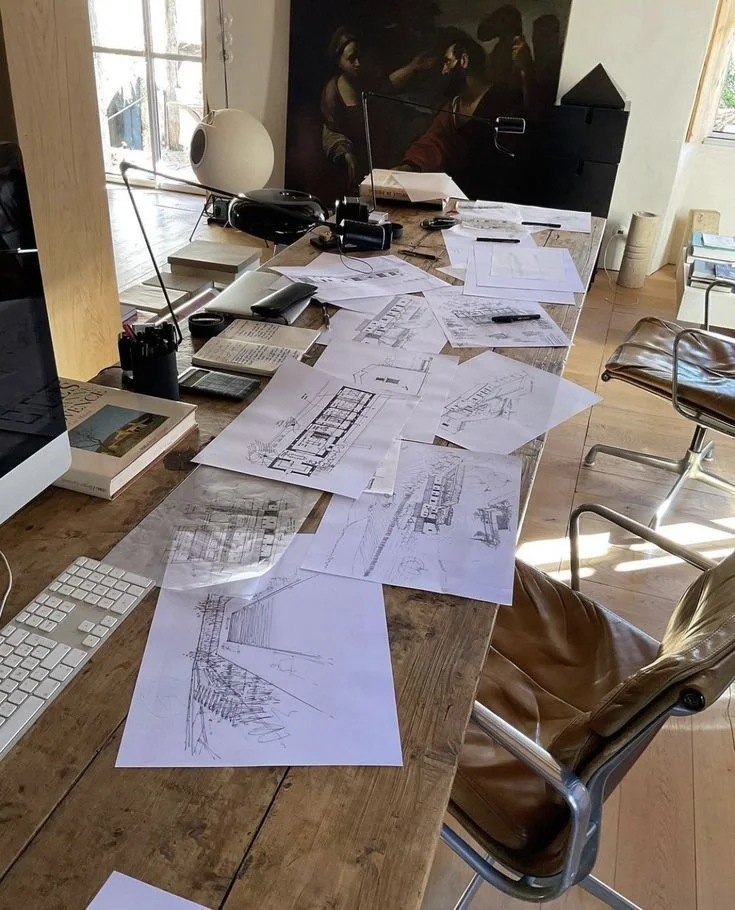
Credits: Pinterest
Permissions and Regulations
Before any renovation begins, it’s essential to understand what type of authorization your project will require. Lisbon’s architectural heritage is one of its greatest treasures, and the city takes care to protect it — which means that even small changes sometimes need careful consideration.
For light renovations, such as repainting walls, updating flooring, or refreshing fixtures, permits are usually not necessary and you can just submit a notification of superficial works. However, if your plans include structural changes — opening a wall, modifying windows, altering façades, or reconfiguring layouts — you’ll need approval from the Câmara Municipal de Lisboa (City Hall). This process ensures that all work respects the building’s integrity and local urban planning guidelines.
While obtaining permits can take time, it doesn’t need to be daunting. With the right team guiding you through each step, these administrative phases become part of a smooth and well-structured process. At Studio Bisson, we always plan ahead, aligning design ambitions with practical requirements — so creativity and compliance move forward hand in hand. Thoughtful preparation not only prevents delays but also ensures that every decision contributes to a renovation that’s both inspired and responsibly built.
Finding the Right Team
Behind every beautiful renovation is a team that understands not just how to build, but how to listen. Lisbon offers an incredible network of artisans, builders, and craftspeople — people who carry generations of knowledge in their hands. But coordinating these talents takes experience, trust, and vision. Without it, even the best ideas can lose their clarity along the way.
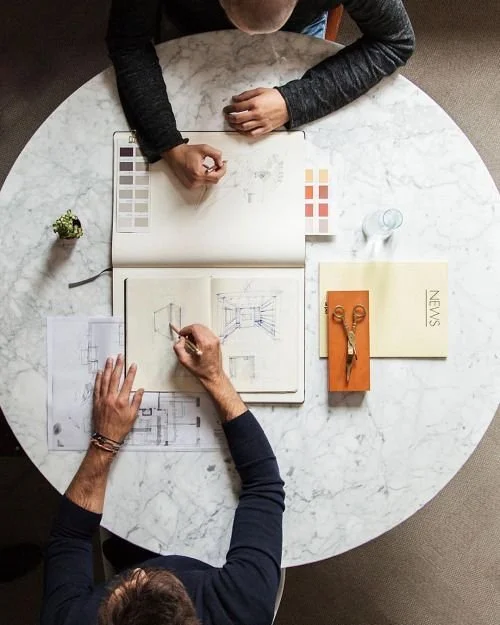
A well-chosen team is what transforms sketches into spaces that truly work. It’s about aligning creativity with precision, ensuring that every material, joint, and finish serves both function and feeling. Strong communication between designers, contractors, and artisans keeps the project moving smoothly — protecting both quality and budget.
At Studio Bisson, we collaborate closely with a circle of trusted local partners we’ve built over time. From concept to completion, we oversee each stage with care, ensuring every detail reflects our shared values of craftsmanship and design integrity. Our approach blends French precision with Portuguese savoir-faire — a dialogue between cultures that gives our projects their quiet confidence. The result is a process that feels effortless for our clients, yet deeply considered at every step.
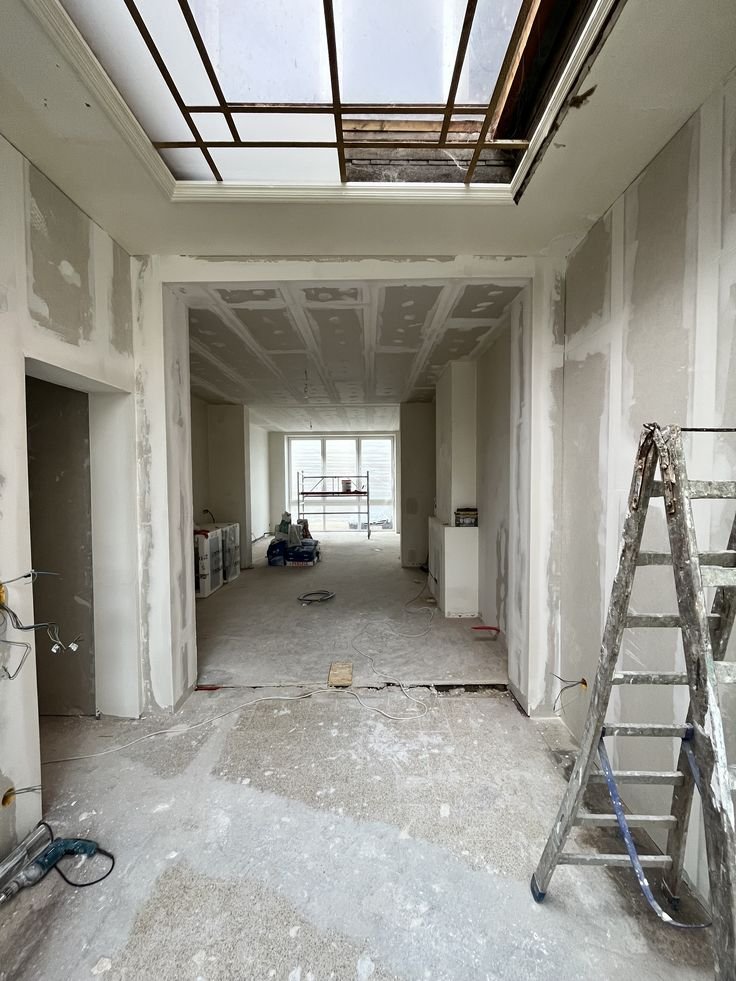
Credits: Pinterest
Credits: Pinterest
Choosing Materials That Fit Lisbon’s Spirit
The city’s light transforms materials beautifully — ever-changing, soft, and golden. It plays with surfaces in ways that can completely transform a space. Materials here don’t just fill interiors; they interact with the city itself. Sunlight reflects off marble floors, textured plasters catch the late-afternoon glow, and warm woods bring balance to the coolness of traditional Portuguese stone.
But designing in Lisbon also means respecting its environment. Humidity, intense summer light, and the irregularities of older buildings all influence how materials behave over time. A wall that breathes properly, a finish that ages well, or a surface that absorbs light softly can make all the difference in both comfort and longevity.
That’s why we often turn to natural, breathable materials — lime-based paints that allow walls to live, solid woods that develop a beautiful patina, terracotta tiles that feel grounded underfoot, and local stones that root each project in place. These materials not only honor Lisbon’s architectural heritage but also contribute to a sustainable, enduring home that feels effortlessly in tune with its surroundings.
Setting a Realistic Timeline and Budget
Renovating in Lisbon—especially within historic buildings—often means embracing a few surprises along the way. Behind every old wall lies a story: unexpected wiring, uneven floors, or new regulations that can shift your plans. These details may seem small, but they’re part of what gives each project its individuality and charm.
That’s why we always encourage clients to approach renovation as a journey rather than a sprint. Allowing space for adjustments—both in timing and budget—creates room for creativity and thoughtful decision-making. When you rush the process, you risk overlooking the very details that make a home special.
At Studio Bisson, we believe that good design takes time. Each phase—from the first concept to the final finishes—adds depth and meaning. It’s this rhythm of refinement that transforms a project into a home with soul, one that feels intentional.
Credits: Pinterest
Our Approach at Studio Bisson
For us, renovation is never just technical. It’s a dialogue — between old and new, client and designer, emotion and function.
Our process begins with listening: understanding how you live, what inspires you, and how the space should make you feel. From there, every detail — materials, light, layout — is shaped to bring that vision to life, while honoring Lisbon’s architectural charm.

Credits: Telmo | Studio Bisson
Project: Studio Bisson - Loft Rua da Boavista
