
Beautiful interiors are often perceived as effortless.
But behind a room that feels calm, balanced and sophisticated are dozens of decisions that are almost invisible: the height of a curtain rod, the relationship between furniture and circulation, the temperature of the lighting, or even the way materials repeat from one room to another.
These details may seem insignificant individually. Together, they completely change the way a home feels.
At Studio Bisson, these are some of the principles we return to again and again when designing residential interiors.
1.Start with the floor, not the furniture
When designing a room, it is tempting to begin with the sofa, dining table or bed.
But the floor is one of the largest surfaces in the space and has a major influence on everything that follows.
A dark oak floor, for example, will create a very different atmosphere from pale limestone or polished concrete. It affects how we perceive the colour of the walls, the warmth of the room and even the visual weight of the furniture.
A useful principle: choose your main fixed elements first — flooring, walls, architectural finishes — and then introduce furniture.
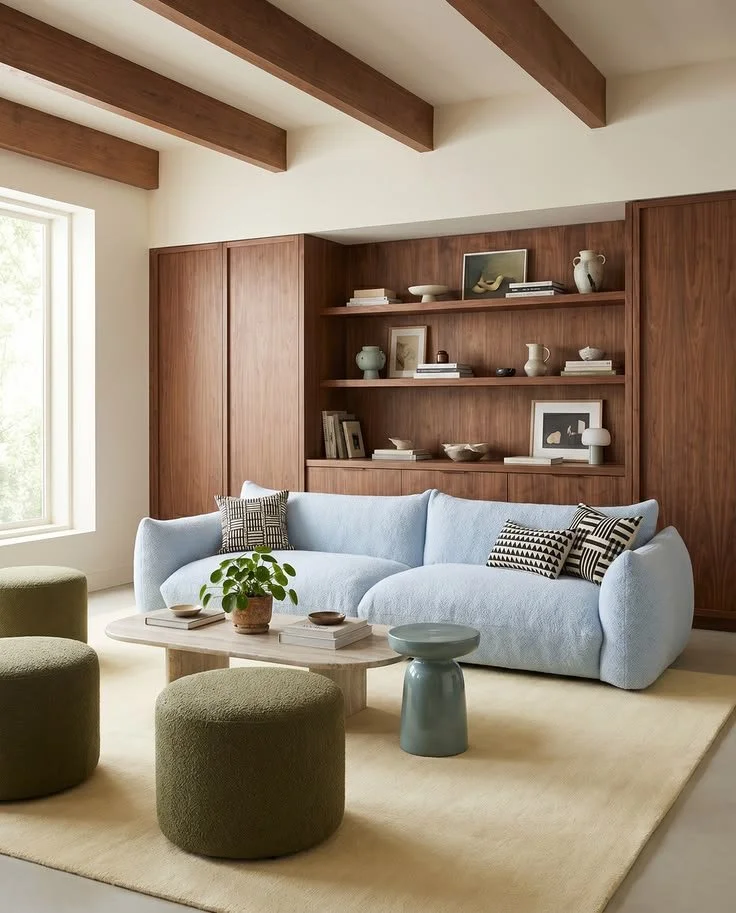
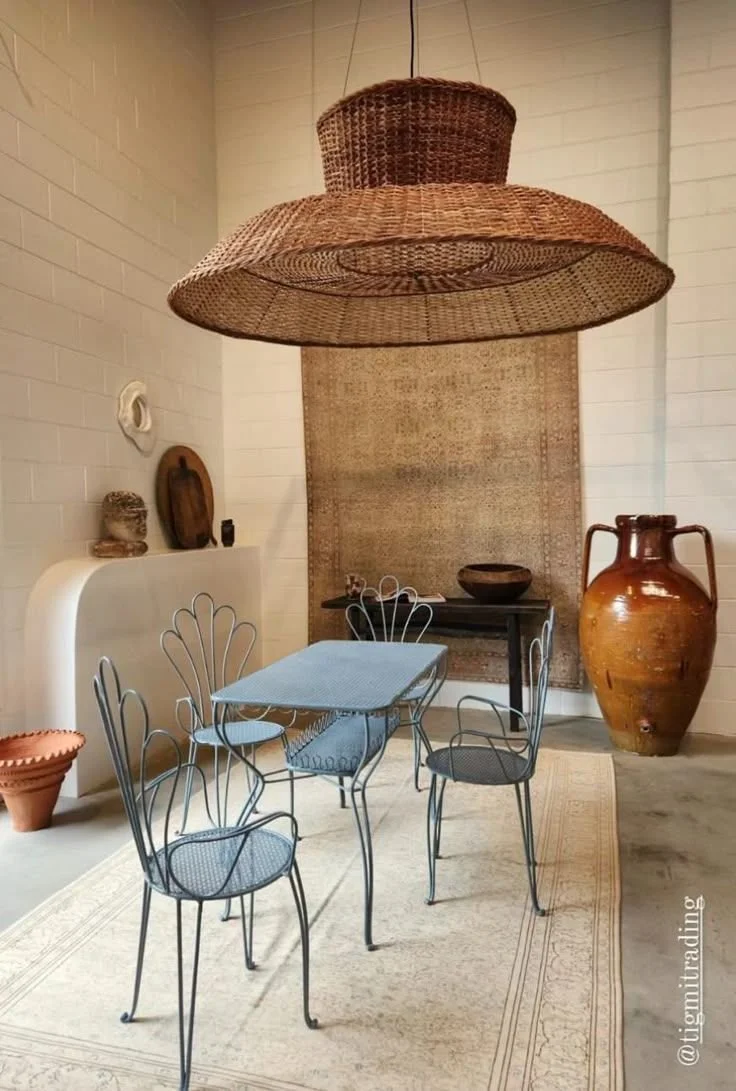
For example, if you have a warm walnut floor, you don't necessarily need walnut furniture everywhere. Repeating the same material too literally can make an interior feel flat. Instead, introduce complementary tones such as natural oak, stone, linen or brushed metal.
The goal is coherence, not matching.
Credits: Pinterest
Credits: Pinterest
2. Every room needs a visual hierarchy
A sophisticated interior rarely asks you to look everywhere at once.
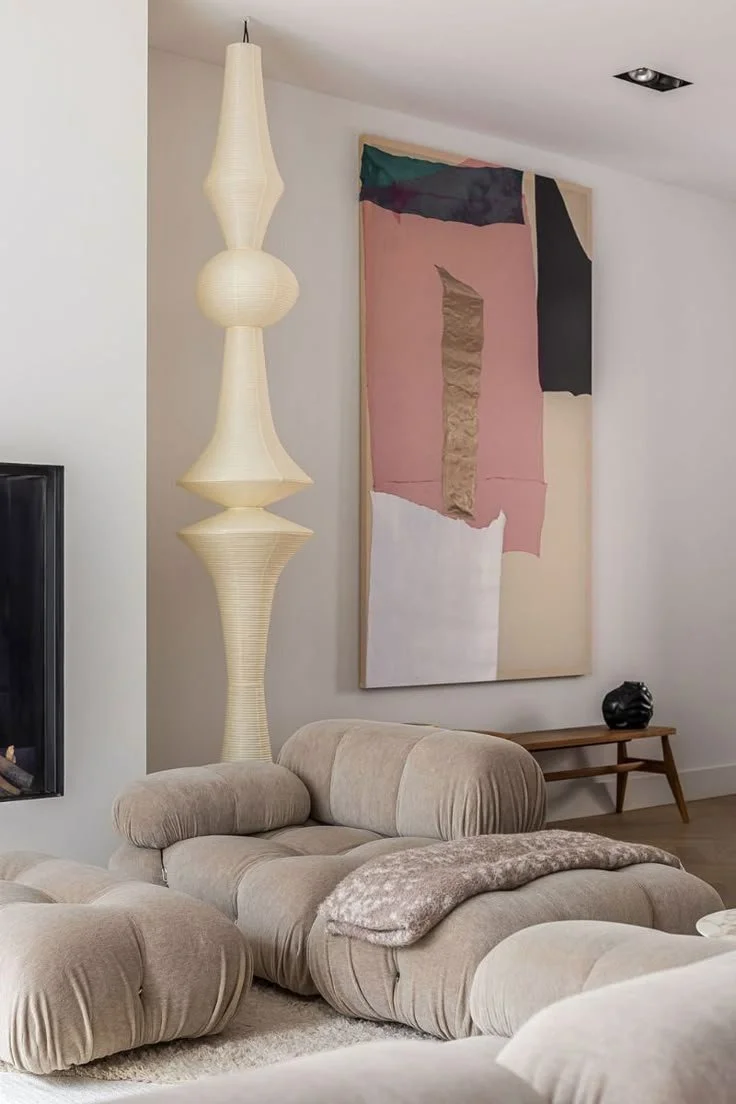
Instead, it creates a hierarchy. There should usually be one main focal point — perhaps a fireplace, an artwork, an architectural opening or a sculptural piece of furniture — supported by quieter secondary elements.
Imagine a living room with: a large artwork above the fireplace; a sculptural sofa; a statement pendant; patterned curtains; a heavily veined marble coffee table. Every element may be beautiful individually, but together they compete. Now remove two of those statements and allow the artwork and architecture to lead.
The room immediately feels calmer. The secret is not finding more beautiful objects. It is deciding which objects deserve attention.
3. Repeat materials, not furniture
One of the easiest ways to make a home feel cohesive is to repeat a material or finish throughout the interior. But repetition doesn't mean using the exact same product everywhere.
For example, you might introduce:
oak cabinetry in the kitchen;
an oak side table in the living room;
a timber detail in the bedroom;
a warm wood frame in the bathroom.
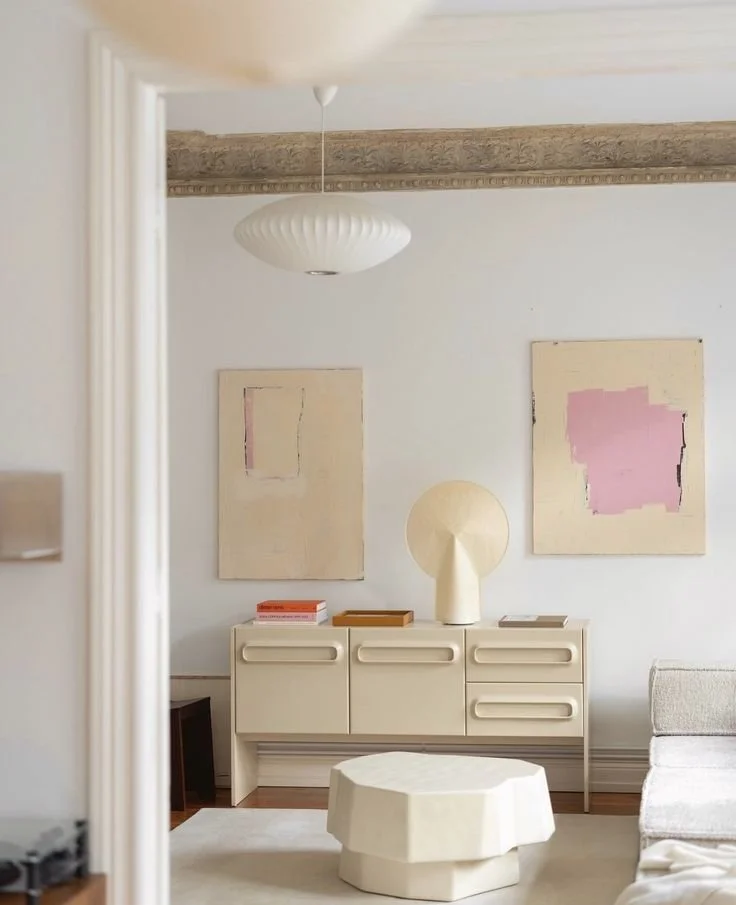
The material becomes a subtle visual thread connecting the rooms. The same principle works with metal finishes. If you use aged brass in the kitchen, repeating a similar warm metal in the lighting or bathroom hardware can create continuity. This is particularly important in open-plan homes where several spaces are visible simultaneously.
Credits: Pinterest
Credits: Pinterest
4. Layer lighting instead of relying on one ceiling light
This is one of the most transformative changes you can make to an interior.
A single ceiling fixture produces relatively uniform illumination. It can make a room feel functional, but rarely atmospheric. Instead, designers layer several sources of light. Think about a living room with:
Ambient light
The general illumination of the room.
Task lighting
A reading lamp next to an armchair, for example.
Accent lighting
A discreet wall light illuminating artwork or architectural details.
Decorative lighting
A beautiful pendant or table lamp that contributes to the atmosphere even when it isn't the primary source of illumination.
The colour temperature matters too. For residential interiors, warmer light — typically around 2700K — creates a softer and more intimate atmosphere than cooler temperatures. And whenever possible, put lighting on dimmers.
The same room should be able to feel completely different at 8am, 6pm and 11pm.
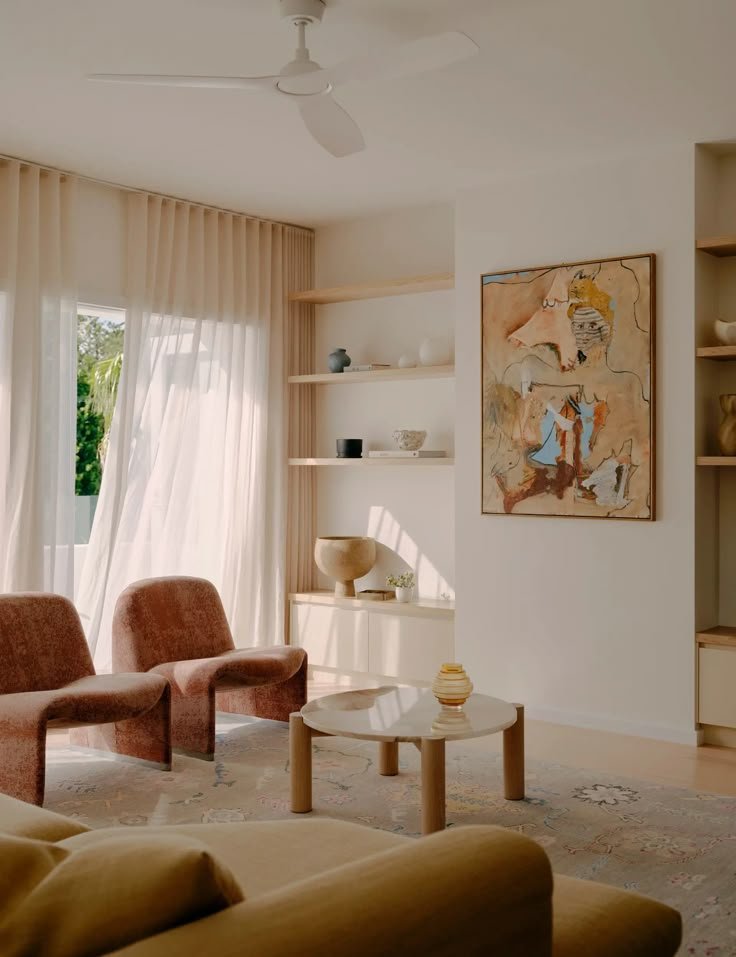
5. Hang curtains higher and wider than you think
This is a small detail with a surprisingly large visual impact. Instead of installing curtains exactly within the window frame, consider mounting the curtain track closer to the ceiling and extending it beyond the window on both sides. Why?
Because it creates the impression of:
taller ceilings;
larger windows;
more generous proportions.
For example, in a room with a 2.70m ceiling, mounting the curtains close to ceiling height rather than directly above the window can visually elongate the entire wall.
And don't underestimate the importance of the fabric.
A generous curtain with enough fullness — rather than a flat piece of fabric stretched across the window — creates much richer folds and a more luxurious appearance.
Credits: Pinterest
Credits: Pinterest
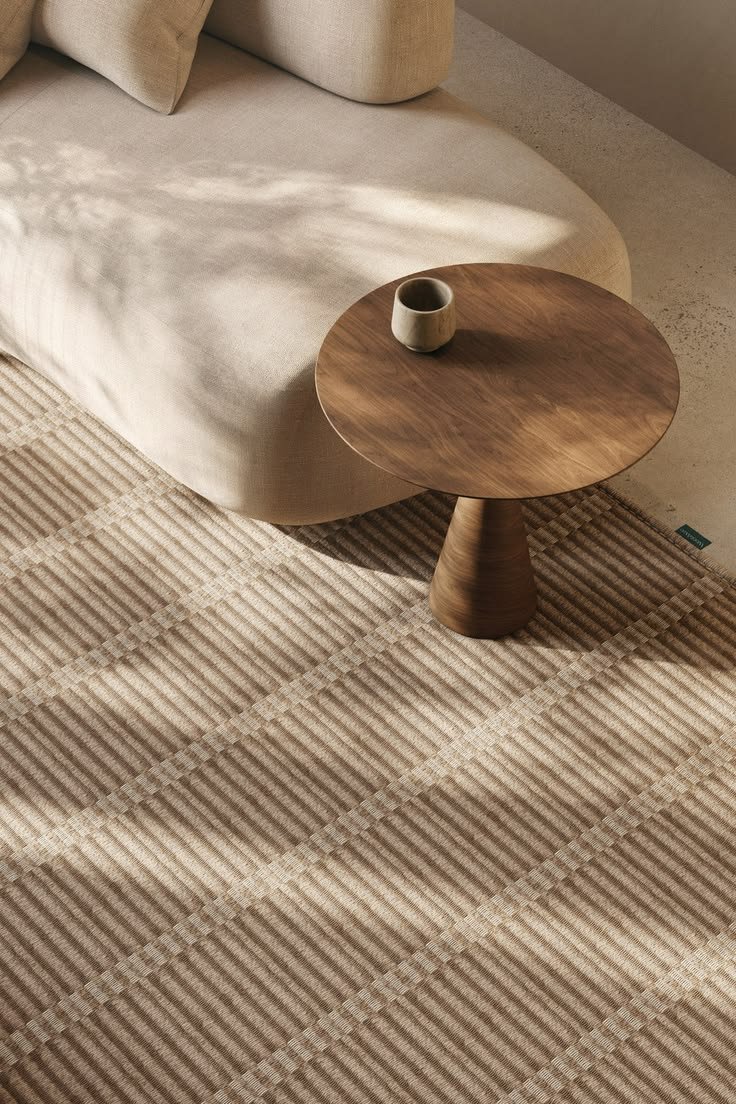
6. Texture can be more powerful than colour
A neutral palette doesn't have to mean a boring interior.
In fact, some of the most sophisticated interiors use very little colour and rely instead on texture.
Imagine a living room combining:
linen + wool + oak + travertine + brushed brass + plaster
The palette might remain almost entirely within warm beige and earthy tones, yet the room can feel rich because every surface reacts differently to light.
This is particularly effective for quiet luxury interiors.
Instead of adding another colour when a room feels flat, ask:
Could it need another texture instead?
A wool rug may achieve more than another decorative object.
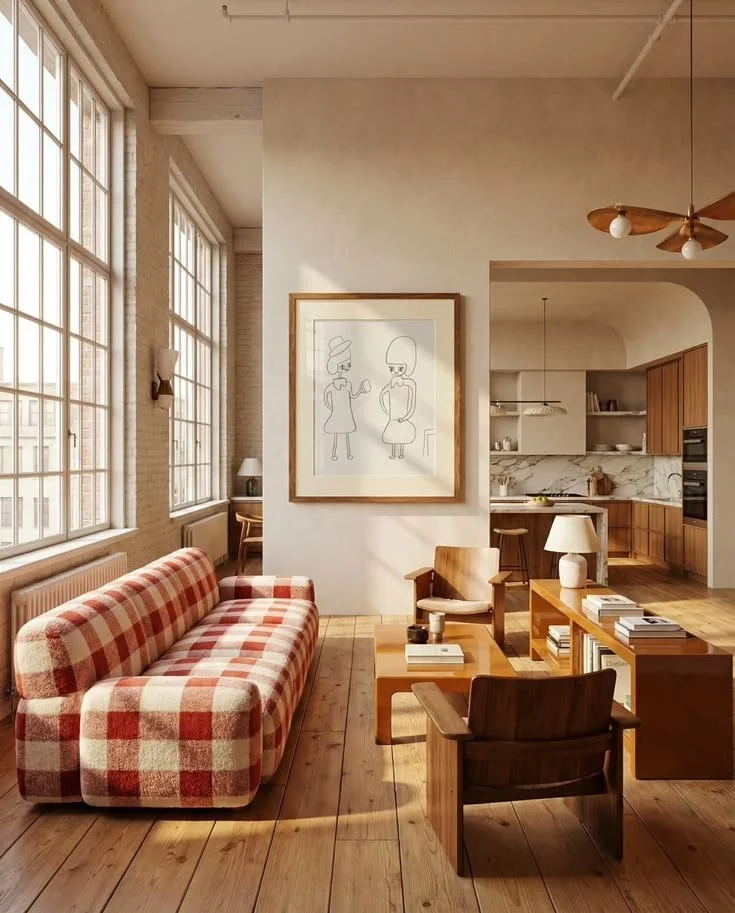
7. Don't push everything against the walls
This is one of the most common furniture-planning mistakes.
People often assume that pushing furniture against the perimeter makes a room feel larger.
It can actually have the opposite effect.
Floating a sofa slightly away from a wall can create a stronger sense of spatial organisation and improve circulation.
For example, in a large living room, positioning the sofa centrally can define the living area while leaving a clear circulation route behind it.
As a general guide, aim for approximately 75–90 cm of comfortable circulation along primary pathways, while smaller clearances can work in secondary areas depending on the furniture.
The exact dimensions depend on the architecture, but the principle remains: Design circulation deliberately.
Credits: Pinterest
Credits: Pinterest
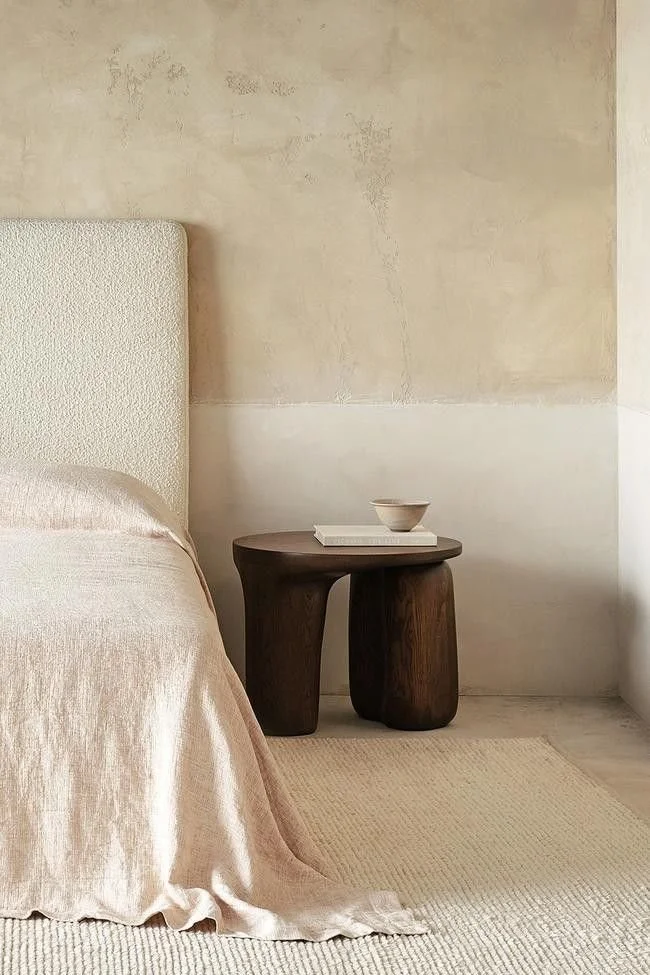
9. Choose materials according to how they age
When investing in a renovation, we encourage clients to think beyond the first photograph.
Ask: What will this material look like after 5, 10 or 20 years?
Natural materials are particularly interesting because they often develop character rather than simply deteriorating.
Oak can deepen in colour.
Leather develops patina.
Linen becomes softer.
Natural stone acquires subtle marks and variations.
Terracotta becomes richer with use.
This doesn't mean that every material should look "perfect" forever.
Quite the opposite. In a luxury interior, small signs of life can make a space feel more authentic. The important distinction is between patina and deterioration.
Good materials are chosen so that everyday use becomes part of their beauty.
Credits: Pinterest
8. Design for sound, not just sight
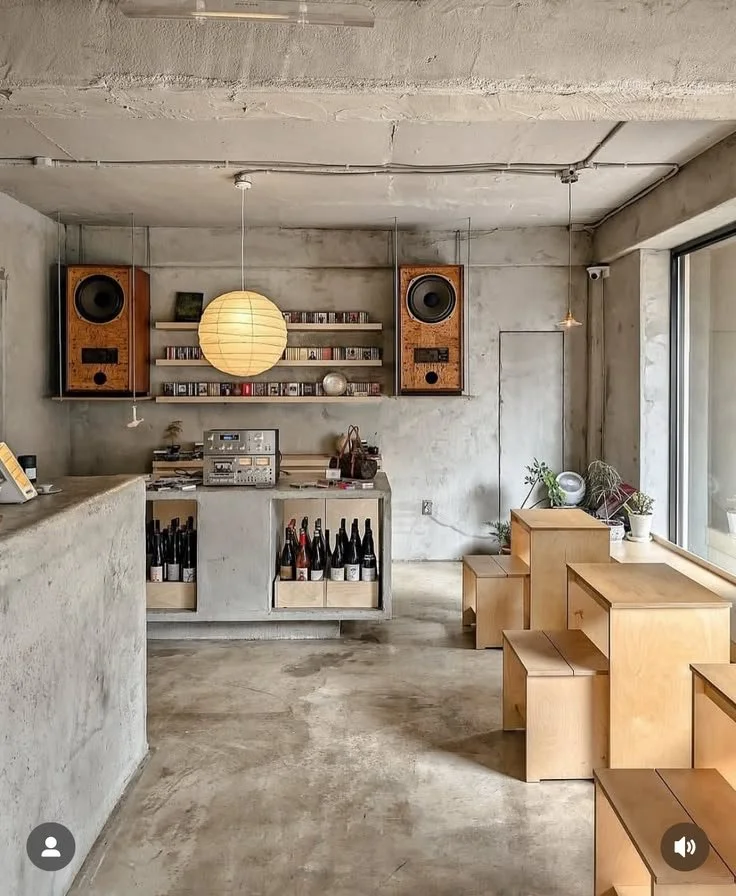
Acoustics are one of the least discussed aspects of residential design. A room can look beautiful and still feel uncomfortable because of excessive reverberation.
This is particularly common in large open-plan spaces with:
stone floors;
plaster walls;
large areas of glass;
high ceilings;
very little upholstered furniture.
Hard surfaces reflect sound. Soft and porous materials absorb or diffuse it. This is why adding a large rug, substantial curtains, upholstered furniture, bookshelves or textile wall treatments can dramatically improve the acoustic experience.
For example, a dining room with a stone floor and bare walls may create an unpleasant echo. A large rug underneath the table, upholstered dining chairs and curtains can make the room feel noticeably calmer without changing its architecture.
Good design should be experienced with your ears as well as your eyes.
10. Leave something unfinished
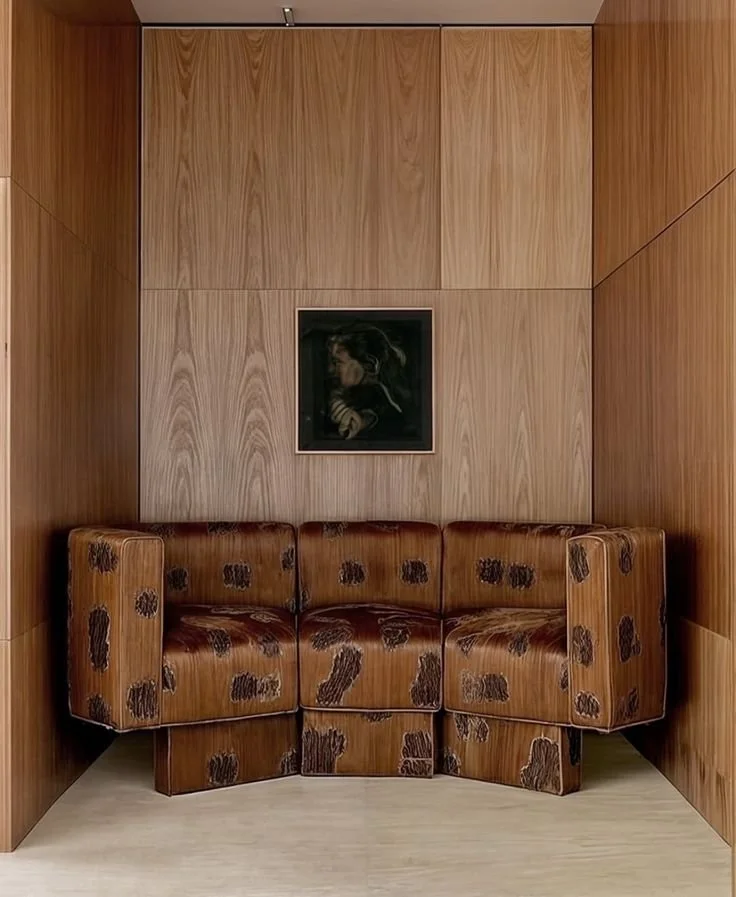
Perhaps the most unexpected design secret is that a home doesn't need to be completely finished. When every wall is filled, every shelf decorated and every corner furnished, there is nowhere for the eye to rest.
Negative space is not wasted space.
It is part of the composition.
This idea has a particularly strong presence in Japanese design through the concept of Ma — the intentional space or interval between things.
Think about a beautiful artwork hanging alone on a large wall.
Its impact often comes precisely from everything that surrounds it — or rather, doesn't.
The same principle applies to furniture.
You don't need a chair in every corner.
You don't need artwork on every wall.
You don't need to fill every shelf.
A home needs space to breathe.
The Detail Is the Design
The most sophisticated interiors are rarely defined by one spectacular piece. They are defined by hundreds of small decisions working together.
The exact height of a pendant The distance between a sofa and a coffee table. The way two materials meet. The warmth of the lighting. The amount of curtain fabric. The acoustic quality of a room. The way a material changes as it ages. These details may not always be consciously noticed, but they influence how a space feels. At Studio Bisson, this is where we believe good interior design makes the greatest difference.
Luxury isn't necessarily about adding more. It's about making better decisions. And sometimes, the most sophisticated design choice is the one you barely notice.
