
Bespoke vs. Off-the-Shelf: When Custom Design Really Makes Sense
One of the most common questions we hear at Studio Bisson is:
“Do we really need bespoke?”
It’s a fair question. Custom design is often associated with luxury or excess, when in reality it’s a thoughtful response to space, architecture, and long-term use. Understanding when bespoke design truly adds value helps you make informed decisions — both creatively and practically.
What Bespoke Really Means
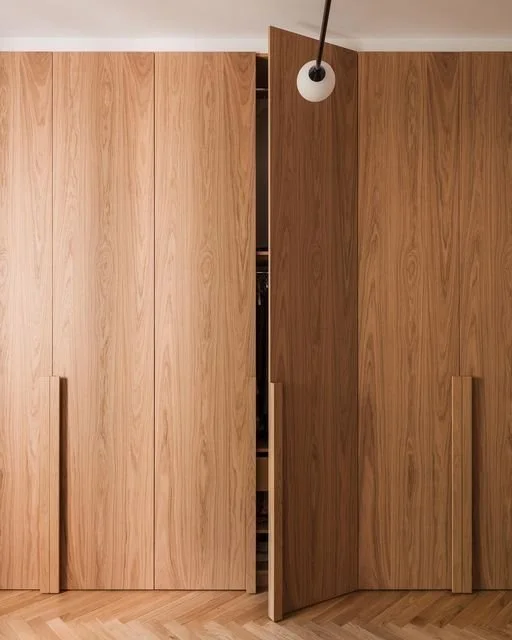
Bespoke closet - Credit: Pinterest
Bespoke design is not about adding more. It’s about adding precision.
Custom elements are designed specifically for a space: its dimensions, proportions, circulation, and light. Rather than adapting your home to standard furniture sizes, bespoke design adapts furniture and architectural elements to your home.
It’s a way of working that respects the building as much as the people living in it.
Where Bespoke Adds the Most Value
Custom design becomes especially valuable when a space presents constraints or specific needs.
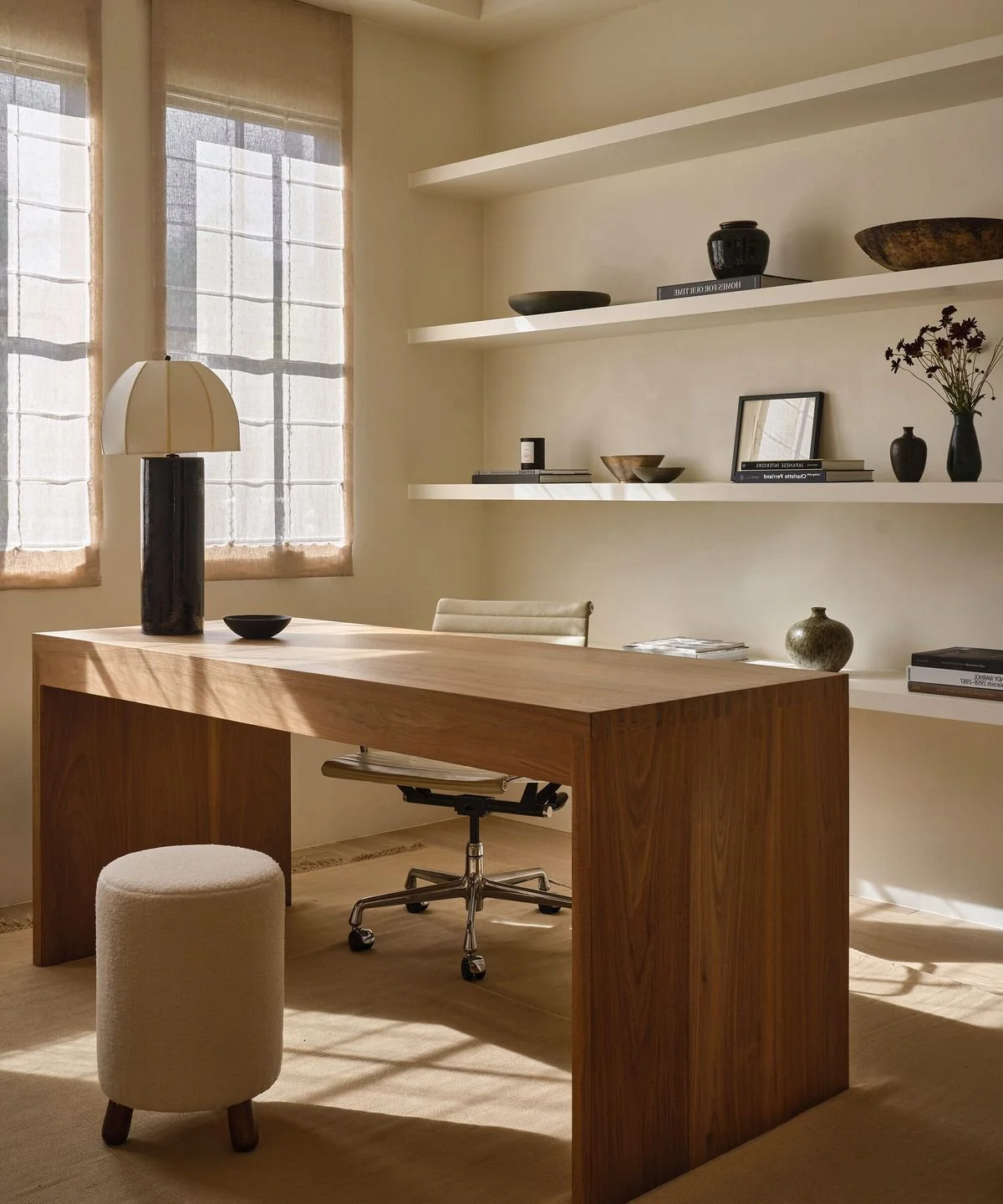
Bespoke Desk - Credit: Pinterest
1. Storage & Joinery
Bespoke storage maximizes every centimeter. It allows you to:
Work around structural elements
Conceal technical components
Create calm, uncluttered interiors
Integrate storage seamlessly into architecture
This is particularly important in Lisbon’s historic buildings, where walls are rarely straight and ceiling heights vary.
2. Kitchens
A bespoke kitchen is not only about aesthetics — it’s about ergonomics and flow.
Custom kitchens allow:
Optimized circulation
Tailored work surfaces and storage
Integrated appliances
Material continuity with the rest of the home
They become part of the architecture rather than a standalone object.
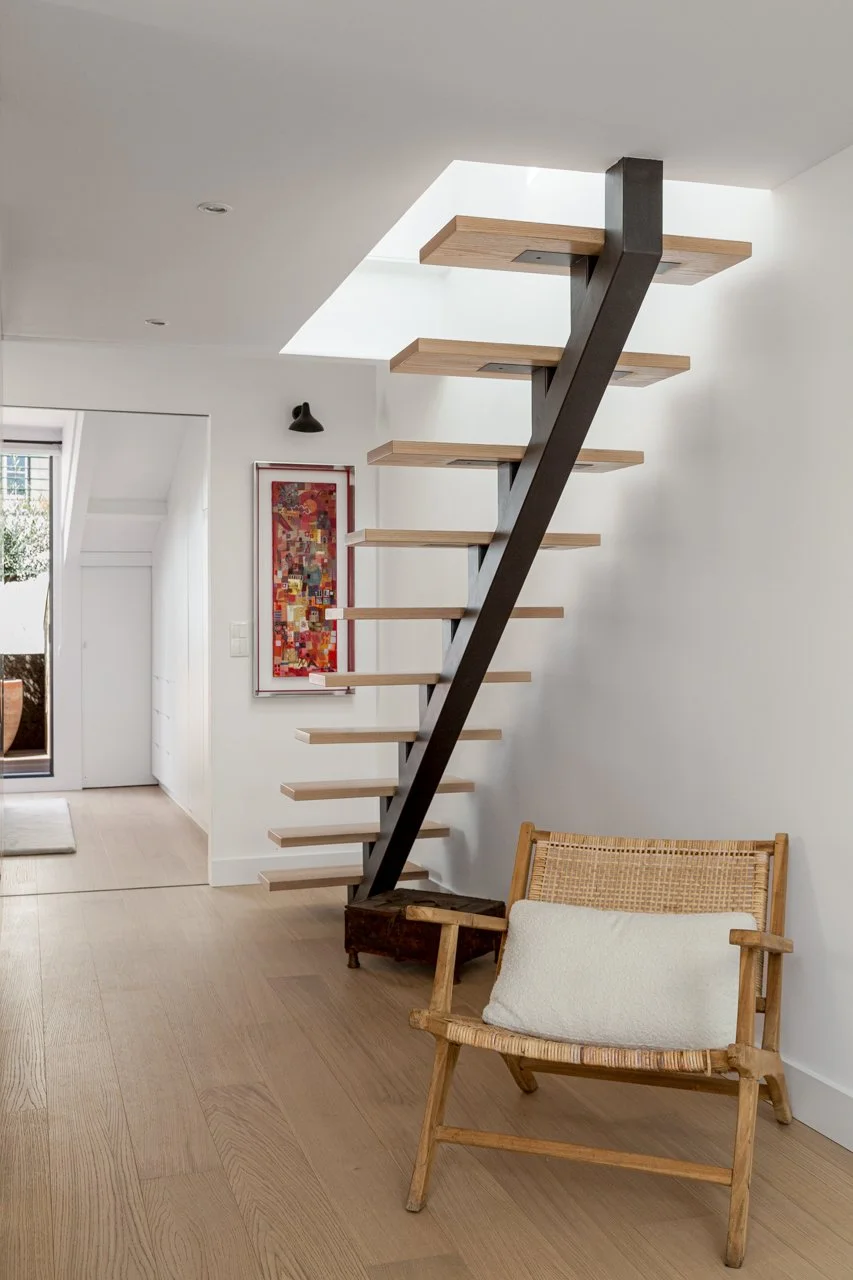
Bespoke staircase - Studio Bisson Project rua da boa vista
3. Staircases
Staircases are one of the most architectural elements in a home.
A bespoke staircase responds to:
Height and footprint constraints
Safety and comfort
Light and visual impact
Material continuity
When designed well, it becomes both functional and sculptural — often a defining element of the space.
4. Small or Irregular Spaces
In compact or atypical layouts, off-the-shelf solutions often create compromise.
Bespoke design allows:
Multi-functional elements
Seamless transitions between uses
Visual calm despite limited space
Custom solutions often make small spaces feel generous rather than constrained.
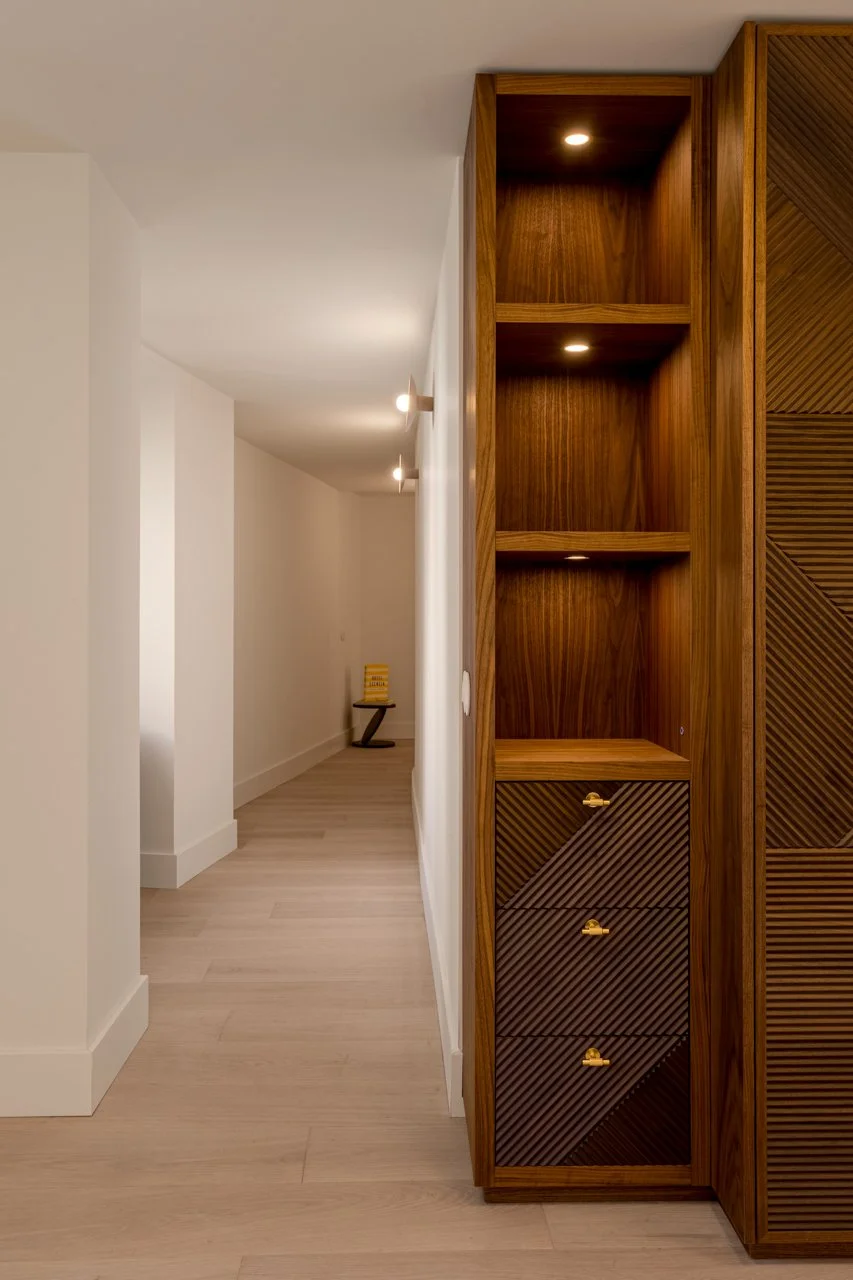
Bespoke closet - Studio Bisson project - Odeon
Longevity Over Trends
Bespoke design encourages long-term thinking.
Materials are chosen for durability and aging, not just appearance. Joinery is built to last. Finishes are selected to develop patina rather than wear out.
From a sustainability standpoint, this often means:
Fewer replacements over time
Reduced waste
Better use of materials
A stronger emotional connection to the space
Designing once, properly, is often the most responsible choice.
Cost vs. Value
While bespoke design requires a higher initial investment, it’s important to consider value rather than cost alone.
Custom solutions:
Increase usable space
Reduce the need for future changes
Become part of the property’s structure
Add long-term architectural value
In many cases, bespoke elements age better — and remain relevant far longer — than standard alternatives.
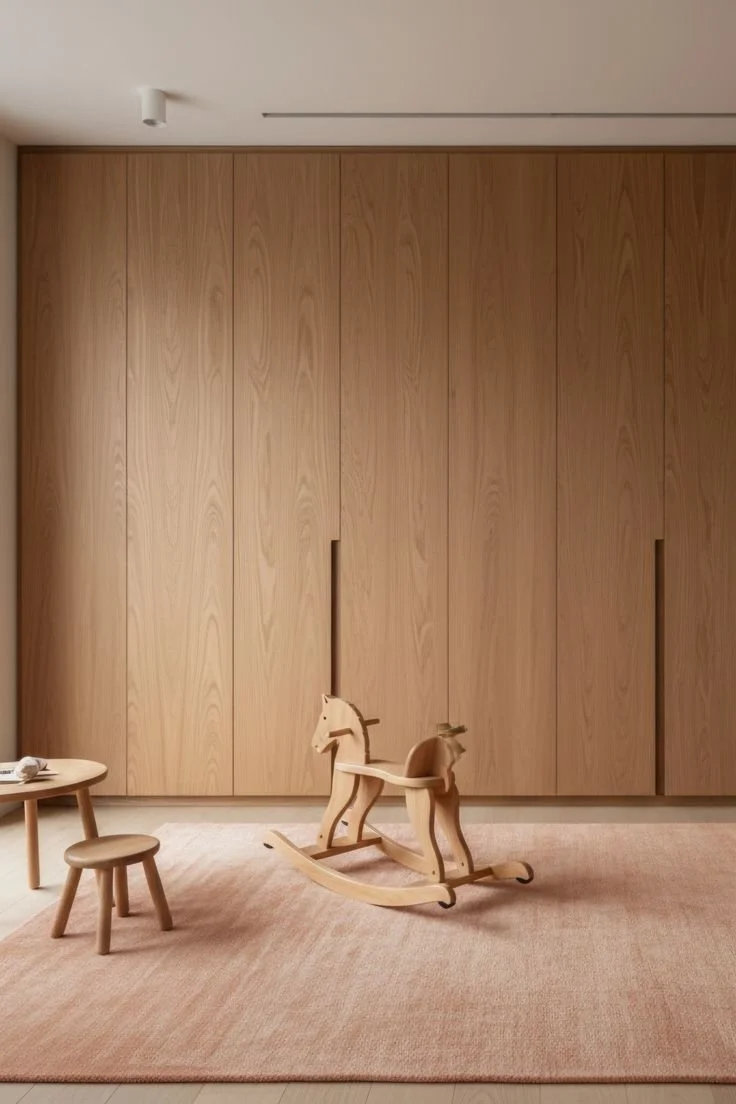
Bespoke Kids Bedroom closet - Credit: Pinterest
A Thoughtful Balance
Not every element needs to be custom — and we believe that’s important to say.
Off-the-shelf furniture can work beautifully when:
The space has regular proportions
Flexibility is needed (moving, reconfiguring, evolving use)
The piece is not tied to the architecture (sofas, dining chairs, side tables)
You want to introduce contrast or character through curated design pieces
Well-chosen off-the-shelf elements bring spontaneity and personality into a home.
At Studio Bisson, we don’t believe everything should be bespoke. Our approach is about balance:
Custom where architecture and function demand it
Off-the-shelf where flexibility and character matter
Vintage or collectible pieces where story and uniqueness add depth
This layered method creates interiors that feel personal, grounded, and intentional — never over-designed.
What we aim for is Designing With Intention
Choosing bespoke is not about status. It’s about clarity. It’s about understanding where craftsmanship, precision, and longevity truly matter — and investing there. When used thoughtfully, custom design doesn’t feel luxurious. It feels obvious. And ultimately, that’s what good design should be.
